
Why Service Businesses Lose Money on Smaller Clients
Service firms break when they move from large clients to small ones. The real reason isn't pricing; it's how you're being bought.
Most service firms grow up serving large clients. They win the work on the strength of their skill, the engagements run smoothly, and the founder assumes that growth simply means doing more of the same for more people. So when the time comes to scale, they take on smaller clients to fill the pipeline, and the business that worked for years quietly starts to break. Margins thin out. The founder's hours climb. The team is busier and the firm earns less per account.
Almost every owner reads this as a sales or pricing problem. They chase more leads, or they nudge prices up and wonder why it doesn't help. But service business growth with smaller clients usually fails for a deeper, structural reason: the firm is now being bought in a completely different way than it was ever built to be sold. This article explains the distinction that causes the break, why it stays hidden for so long, and what to change so smaller clients become profitable instead of exhausting.
There are two ways a client buys a service
There are really only two reasons a business hires an outside service provider, and they are not points on a spectrum. They are different purchases entirely.
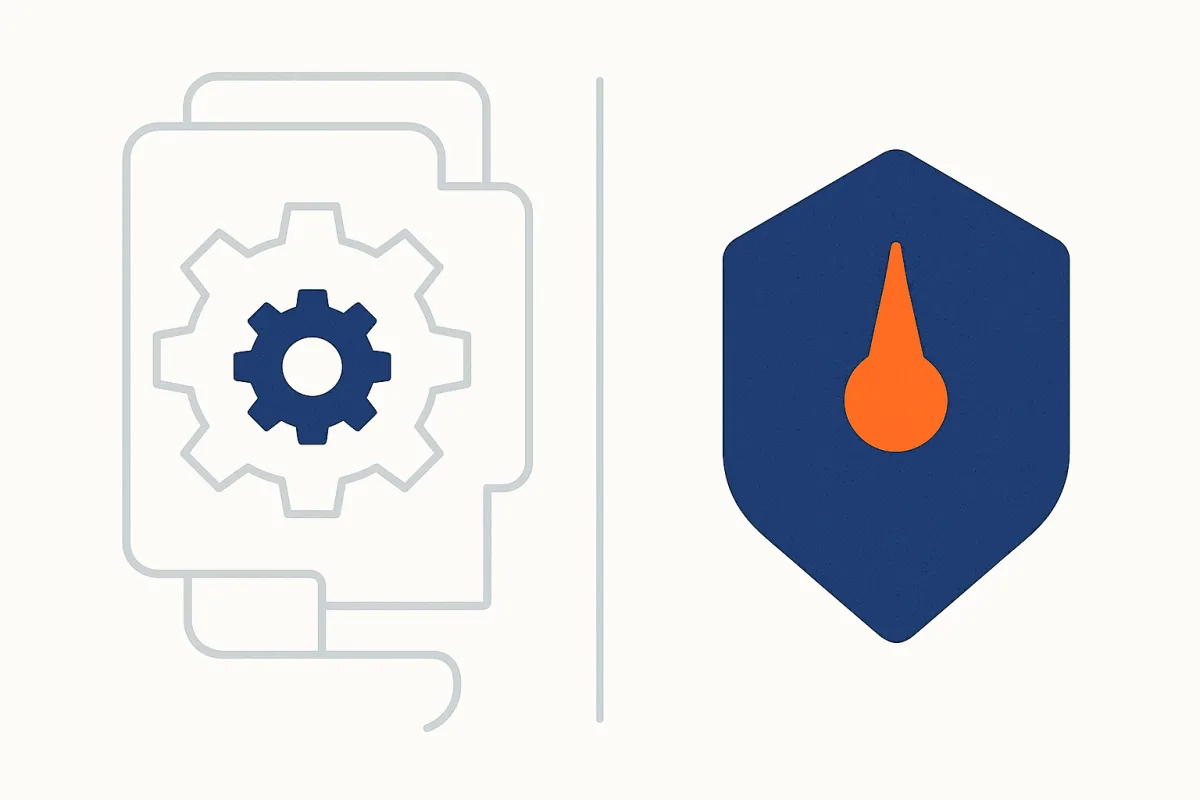
The first is the cog purchase. The client hires you for a specific skill: video editing, content production, design, data analysis, a particular technical build. You are slotted into a process the client already runs. Someone inside the company writes the brief, decides what good looks like, and owns the outcome. If the result disappoints, the responsibility largely stays in-house. You are valued for your skill, but structurally you are replaceable. You are a cog in a machine someone else built and manages.
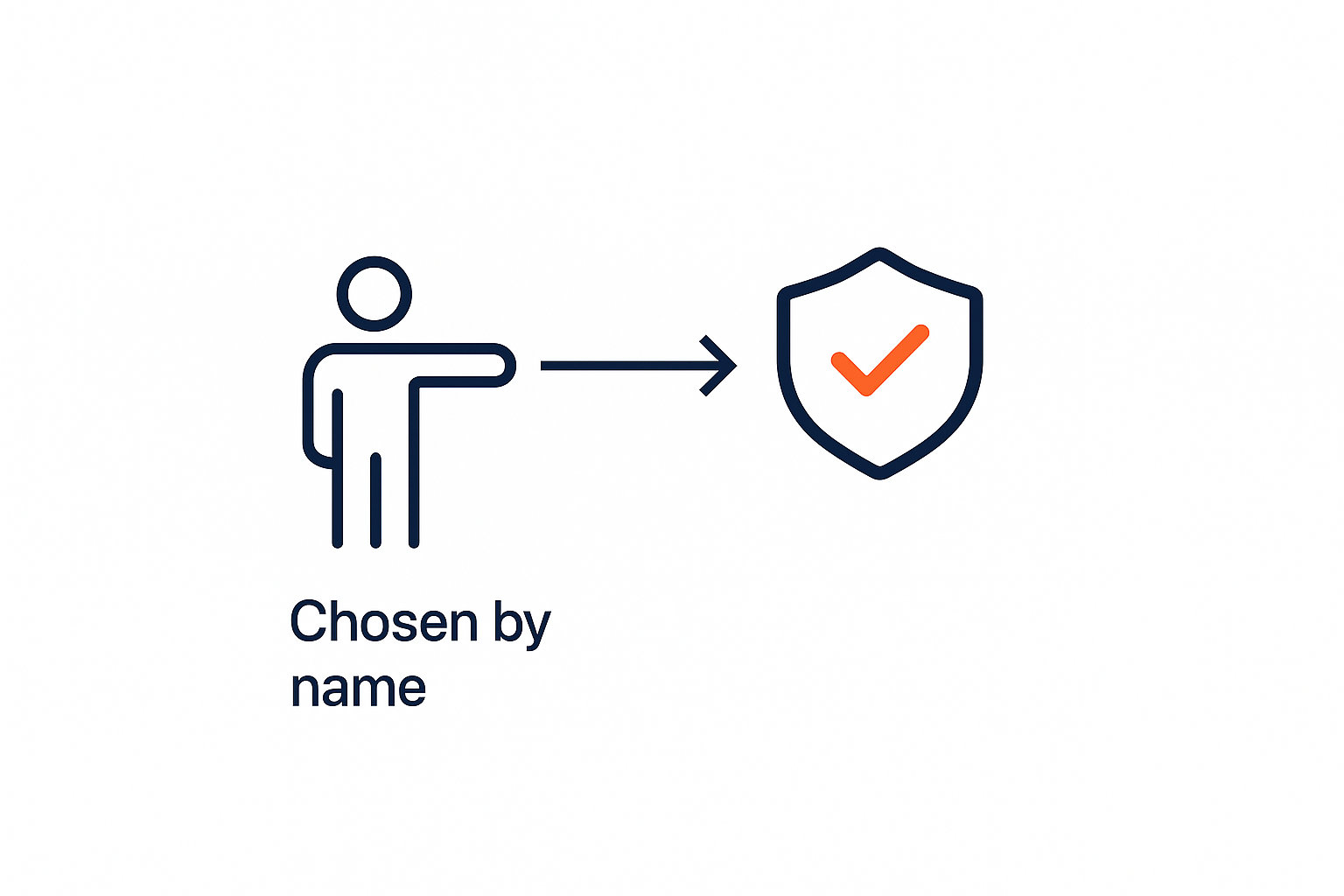
The second is the brand purchase: the safe bet. Here the client is not really buying a skill. They are buying certainty and cover. A company hires the Big Four consulting firm, the well-known business consultant, the established event manager, or the famous anchor precisely because the choice is defensible and the responsibility for the outcome transfers to the provider. If it goes wrong, the blame can be passed on. People pay a premium for this not because the underlying skill is rarer, but because the ownership is total. You are not a part of the machine. You are the machine, and the client is buying the right not to worry about it.
The difference matters because each type of purchase demands a completely different kind of business behind it.
Large clients hire you as a cog, and that hides the problem for years
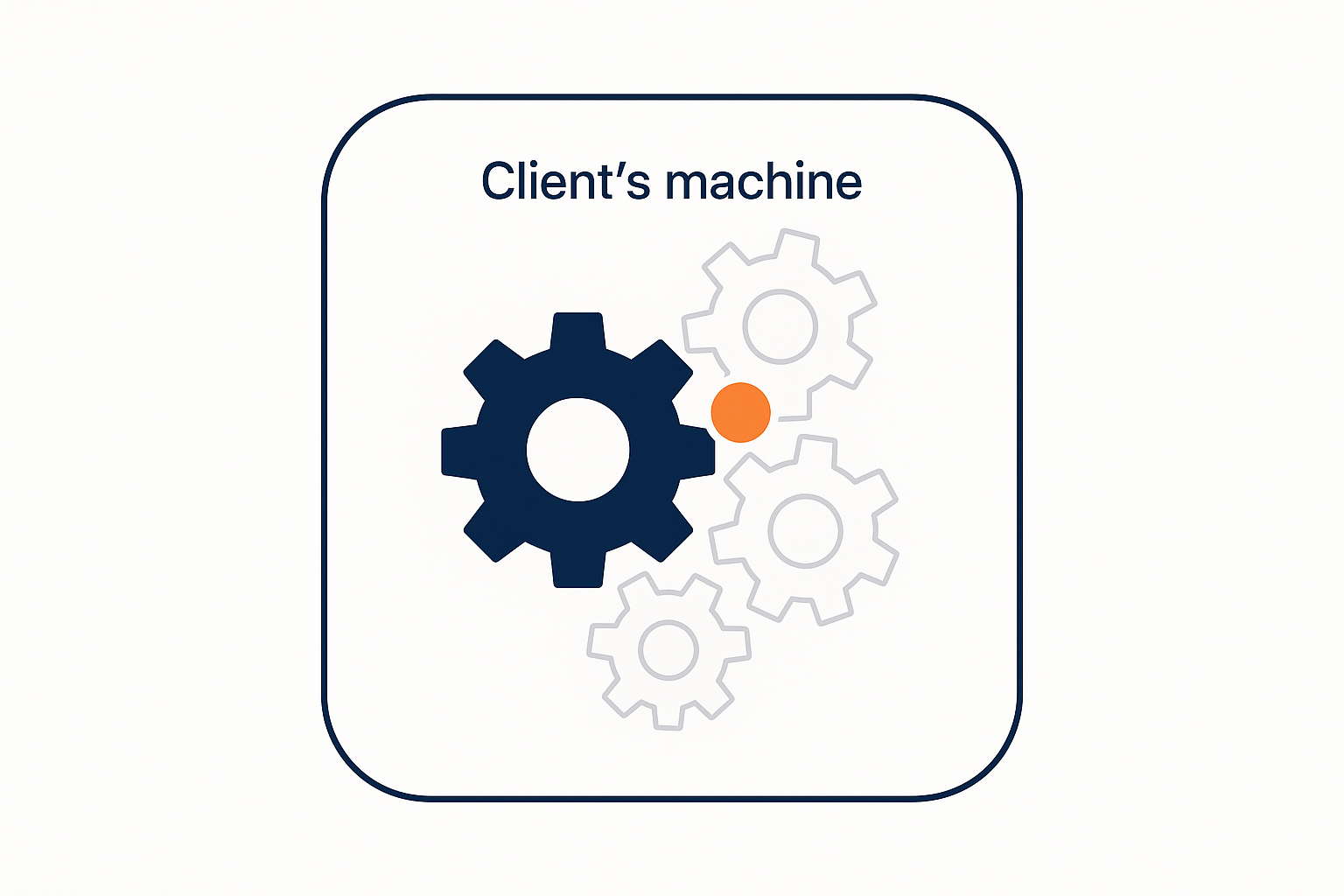
Most service firms cut their teeth on large clients, because large clients are where the early skill-based work tends to be. And a large organisation, almost by definition, hires you as a cog. It has departments, managers, and processes. There is a marketing manager, a project lead, or a department head who scopes the work, hands you a brief, sets the standard, and absorbs the result internally.
This arrangement is comfortable, and it quietly does an enormous amount of work on your behalf. You don't have to define the problem; someone already has. You don't have to own the strategy; that sits with the client. You don't have to decide what "finished" means; the brief tells you. You execute your part well, deliver it, and move on to the next brief.
For years, this can feel like a healthy, skill-led business. Revenue is decent, the work is interesting, and the firm builds a reputation for doing its craft well. But what has actually been built is a business whose entire process assumes that someone on the other side will always supply the brief and carry the outcome. That assumption is invisible precisely because it has never been tested. As long as you serve large clients, it never has to be.
Growth forces you to become a brand purchase, overnight
At some point, the founder decides to grow. Growth means more clients. And more clients, in practice, almost always means smaller clients: there simply aren't enough large accounts available to scale a firm on, and winning them is slow and competitive. So the firm moves down-market, and this is exactly where the processes start to break.
A small client does not have a marketing manager, a project lead, or an internal process. There is no one inside to write the brief, define the standard, or own the outcome. All of it lands on you. You are no longer a cog in someone else's machine; you have become the machine. Whether you planned for it or not, you are now a brand purchase: you own the thinking, the scoping, the delivery, the result, and the blame.
Here is the part that quietly drains the business: nobody pays you more for taking all of this on. The work that used to be done by the client is now unpaid labour buried inside your delivery: scoping the problem, making the judgement calls, owning the result. A piece of work that took forty hours for a large client takes sixty for a small one, because twenty of those hours used to be done by someone on the client's side. You end up doing considerably more for a smaller fee.
That is why the smaller accounts feel like they lose money. They are not just smaller versions of your large clients. They are a different job, one your firm was never structured or priced to do.
Why "just charge more" doesn't fix it
The instinct, once the pain shows up, is to treat it as a pricing problem. Raise the rate, hold firmer in negotiation, walk away from the cheapest clients. None of this addresses the actual issue, because the problem isn't the number on the invoice. It's the shape of the work behind it.
A small client buying you as a brand purchase needs an open-ended owner: someone to define the work and carry it. But an open-ended engagement is precisely what a small client cannot co-manage and what you cannot afford to run at small-client scale. Charging more for an undefined, all-on-you engagement just makes an unsellable offer more expensive. The work still expands to fill whatever the client needs, and you are still absorbing the cost of owning it.
The sceptic's version of this is reasonable: "Surely a small client is just a lower-margin big client: same work, smaller budget." But that misreads what changed. It is not the budget that shrank. It is the amount of unowned work that grew. The fix has to address the ownership, not the price tag.
What to do: build the firm for the way it's now being bought
If smaller clients are part of your growth plan, and for most service firms they have to be, then the firm has to be redesigned around the role it now actually plays. Two things need to change.
First, build the missing brief into your own process. Stop assuming the client will scope, decide, or set the standard. Make the scoping, the strategic decisions, and the definition of "done" an explicit, owned part of your delivery, and price that ownership rather than giving it away for free inside the project. The work the large client's manager used to do hasn't disappeared; it has moved to you, and it deserves to be named and paid for.
Second, create a fixed-scope, productised service. This is the structural fix. Instead of an open-ended engagement, design an offer where you decide in advance exactly what is included, what is deliberately excluded, and what owning the outcome is worth. Fixed scope is what makes being a brand purchase profitable instead of exhausting. It gives the small client the certainty they are actually buying: a clear, bounded result they don't have to manage. And it protects you from the silent scope expansion that turns small accounts into losses. A productised service is, in effect, the brief you write once so that no client ever has to write it for you again.
Done well, this changes what you sell. You stop selling hours of a skill and start selling a defined outcome with the ownership built in. That is the offer a small client can buy with confidence, and the only version of down-market growth that holds together.
The shift in thinking
The uncomfortable question for most founders isn't "how do we win more clients." It's "are our clients buying us as a skill, or as a safe bet, and is the firm built for that answer?" Firms that grew up on large accounts are almost always built to be a cog: to be briefed, to execute, to hand the outcome back. The moment they chase growth through smaller clients, they are forced to become a brand purchase without ever rebuilding the business to support it.
Most service firms that struggle down-market are not underpriced. They are being bought as a brand while still operating as a cog. Close that gap by owning the brief and productising the scope, and smaller clients stop being the accounts that quietly cost you money.
If your firm grew up on large accounts and the smaller clients now feel like they cost more than they pay, the first step is to see clearly where your pipeline and your offer are misaligned with how clients actually buy you. Get in touch and tell me what you're seeing before you decide the problem is your pricing.

About the Author
Anoop Kurup
I'm a marketing consultant for B2B service firms in India. I fix the positioning, visibility, and lead generation behind weak sales. Before this: a research lab at GE, then patents and competitive strategy, then an intellectual-property firm I built and exited. I work with founders one engagement at a time from Bangalore.
More about meRelated reading
Positioning and pricing
Value-Based Pricing for Consultants: A Guide
Charging by the hour caps your income and rewards being slow. Here is how consultants move to value-based pricing without scaring clients off.
Positioning and pricing
How to Productize Your Service (Step by Step)
A productized service is easier to sell, price, and scale. Here is how to package what you do into one clear offer your firm can repeat.
Positioning and pricing
How to Handle Price Objections as a Consultant: It Starts With Your Pipeline
"You're too expensive" is rarely about price. It's what a thin pipeline sounds like. Here's why, and what to fix before you discount.
Still depending on referrals?
Tell me what's going on with your sales. I'll tell you honestly if I can help.
Get in touch