
AI Marketing Consultant: What to Hire One For
What an AI marketing consultant should do for a B2B services firm, where AI earns its place in marketing, where it does not, and what to ask before hiring.
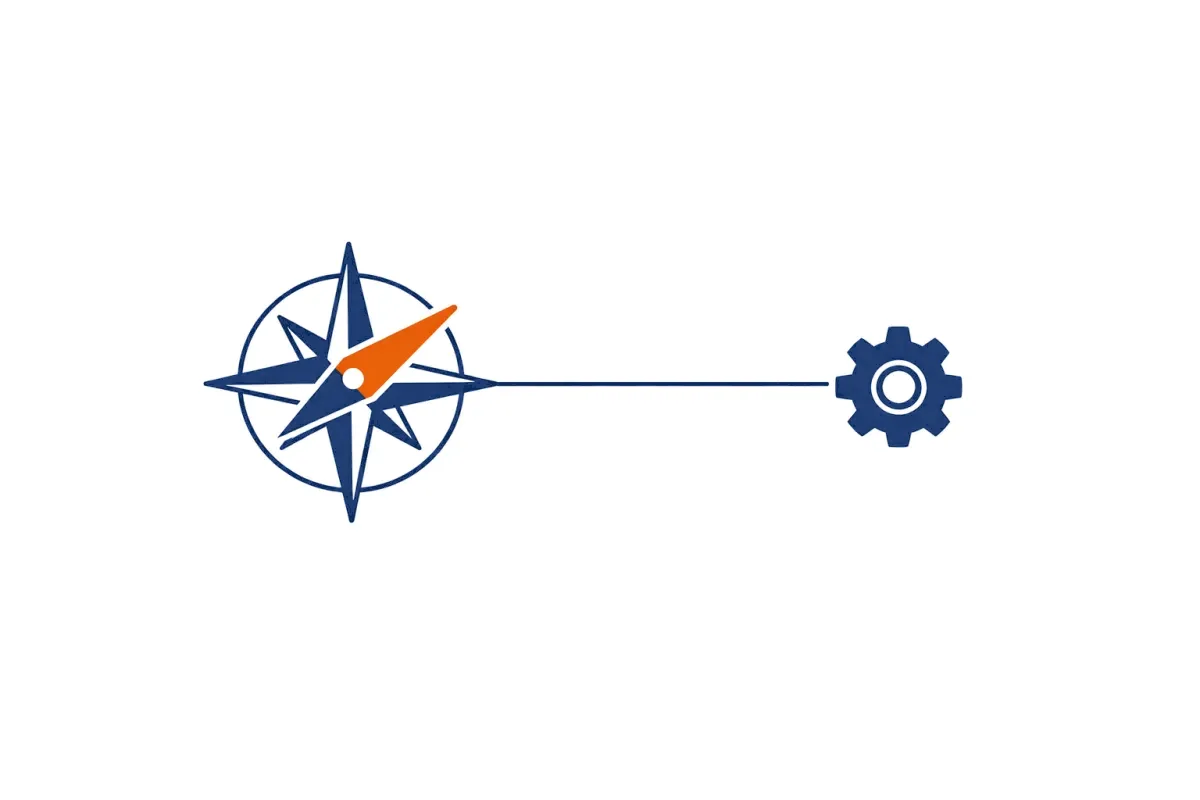
When factories first switched from steam to electricity, most of them did something that looks odd in hindsight. They took out the big steam engine in the middle of the floor and put one big electric motor in exactly the same place, driving the same shafts and belts. Productivity barely moved. It took the best part of a generation before owners worked out that electricity let them redesign the whole floor, with a small motor on every machine, laid out around how the work actually flowed. That is when the gains arrived.
I think about those factories every time a services firm tells me it has "added AI to its marketing". Usually it means someone is using ChatGPT to write the LinkedIn posts they were already not writing very well. The motor is new. The floor is the same.
If you are searching for an AI marketing consultant, you are probably somewhere in that story. You can see that AI should make your marketing faster and cheaper, you have tried a few tools, and the results have been underwhelming. This is a buyer's guide to what to hire for, written by someone who sells that service. So read it with the appropriate suspicion, and I will try to earn your trust by telling you where AI does not help at all.
What an AI Marketing Consultant Actually Does
Three quite different businesses use the same label, and it helps to separate them before you talk to anyone.
The AI marketing agency. It runs your marketing for you, with AI tools doing a lot of the production: content at volume, ad variations, automated email sequences. You pay for output. If you already know what to say and to whom, and you need more of it produced cheaply, this is a reasonable hire.
The AI consultant. Usually a technologist. They help a company choose, build, and integrate AI systems: models, data pipelines, automation across operations. Marketing may be one use case among many. Good ones are excellent at the plumbing and will often ask you what the marketing should say, because that is not their job.
The AI marketing consultant. This is the one worth defining carefully. Their job is to make your marketing work, and then to make it run faster and with less of your time, using AI where it genuinely helps. The order matters. Marketing judgement first, tools second. The deliverable is a system your firm runs: a clear position, a message, a few channels, a weekly rhythm, and AI built into the dull parts of that rhythm so it keeps going when you are busy.
The test I would apply to anyone using the third label is simple. Ask them what they would do about your marketing if AI did not exist. If the answer is thin, you are talking to a tool reseller.
The Marketing Has to Work Before AI Can Speed It Up
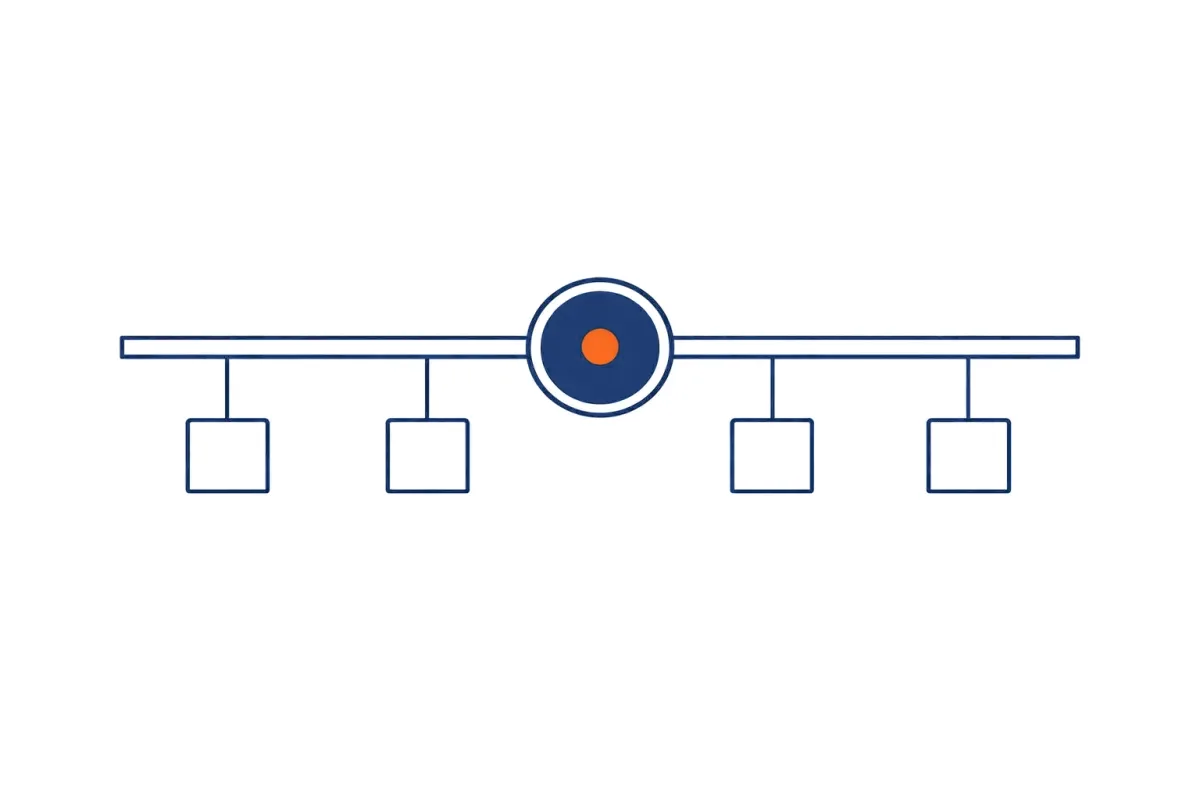
AI is an accelerant. It makes whatever you were already doing faster and cheaper, and it is entirely indifferent to whether the thing was worth doing.
That is fine when the underlying marketing is sound. It is a problem when it is not, and in most B2B services firms I see, it is not. The firm cannot say in one sentence who it is for. The website reads like four competitors' websites. Enquiries come almost entirely from referrals, and nothing the firm publishes changes that. Point AI at that situation and you get the same vague message, produced at ten times the volume. More posts that sound like everyone else's. More cold emails that read as automated, because they are.
There is a second, quieter cost. When every firm in your market writes with the same few language models, the default output converges. The same structures, the same phrases, the same "three key takeaways". AI does not create the sameness problem in professional services, but it makes it much worse, because the cheapest content is now the most interchangeable content. If your marketing already struggles to differentiate your firm, AI used carelessly will flatten whatever difference was left.
So the first job of an AI marketing consultant for a services firm is usually not AI at all. It is the redesign of the factory floor: who you serve, what you are the obvious choice for, what you believe that competitors do not, and which one or two channels your buyers actually pay attention to. Once that is settled, AI has something worth accelerating.
Where AI Earns Its Place in B2B Services Marketing
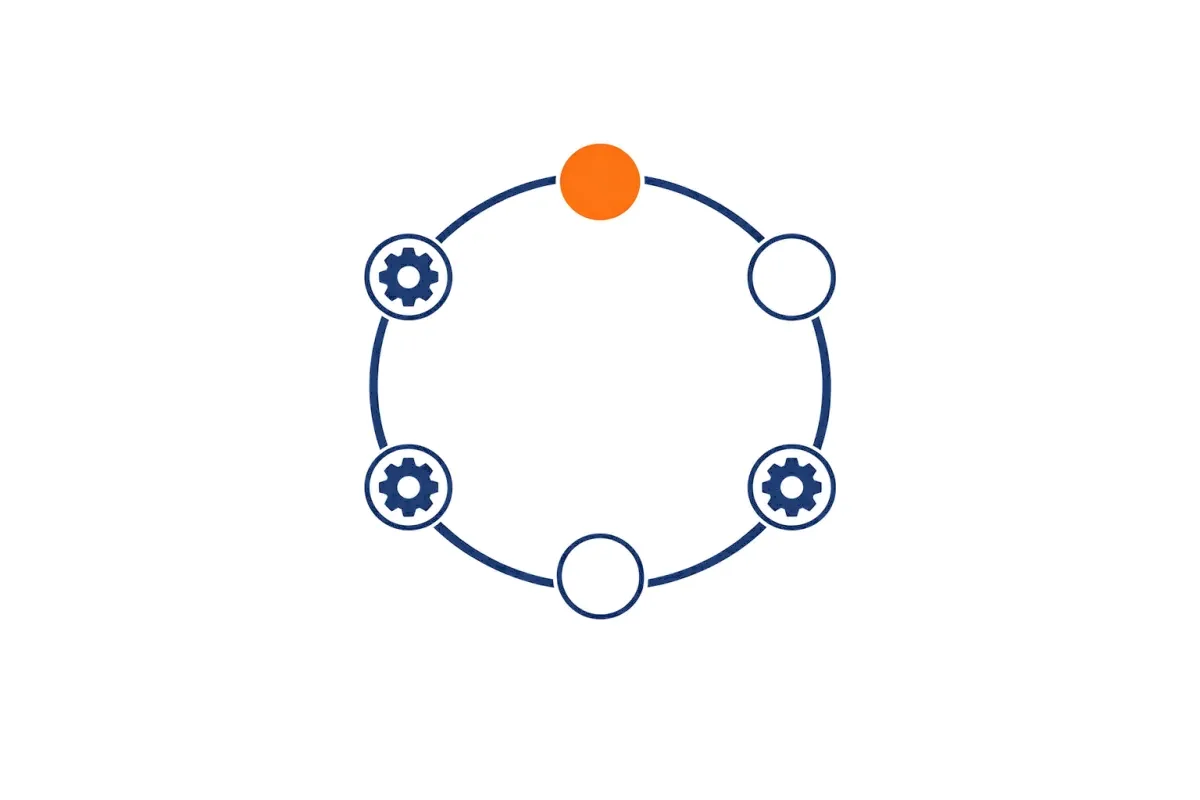
Once the marketing works, AI is genuinely useful, and in my experience the wins are concentrated in the dull, repetitive parts of the weekly rhythm rather than the clever parts.
Research before outreach. Reading a prospect's website, recent news, and published interviews before a conversation used to take twenty minutes per firm, so nobody did it properly. A well-built AI workflow can do the first pass in seconds and hand you a one-paragraph brief. You still decide whether the firm is a fit. You just decide with better information.
First drafts from your own thinking. The hard part of publishing for a busy founder is the blank page. AI is very good at turning a voice note, a client conversation, or a rough set of bullet points into a first draft you can edit. That changes the job from writing to editing, which is the difference between publishing every week and publishing when you feel like it. (This is the problem I built Postie to solve for LinkedIn, so I have a declared interest here.)
Repurposing. One good article can become a LinkedIn post, a newsletter section, a talk outline, and a set of answers for your sales team. Doing that by hand is tedious enough that most firms never do it. Done with AI, and checked by a human, it multiplies the return on the thinking you have already done.
Sorting enquiries and follow-ups. AI can read incoming enquiries, flag which ones match your ideal client, draft a sensible first reply, and remind you which conversations have gone quiet. None of it closes a sale. All of it stops good enquiries from rotting in an inbox.
Reporting. Pulling together where enquiries came from each month, which posts drew responses, and which channels are carrying the load is precisely the kind of work AI and simple automation handle well. A founder who can see the numbers in five minutes actually looks at them.
I have written more about the specific workflows in AI for getting clients: what actually works. The pattern across all of them is the same. AI takes the time-consuming, low-judgement steps out of a routine you have already decided is worth running.
What AI Should Not Do for a Services Firm
The list of things to protect is short, and it matters more than the list of things to automate.
Your point of view. A professional services firm is bought for its judgement. If your published thinking is generated rather than held, buyers can tell, sometimes consciously and often not. The opinion has to come from you. AI can help you say it more clearly. It cannot have it for you.
The relationship. B2B services are high-trust, high-value purchases, usually made by people who will work closely with you for months. Automated personalisation at scale ("I loved your recent post about…") is the fastest way to tell a senior buyer that nobody at your firm actually read it. Use AI to prepare for conversations, not to fake them.
The final check. Every piece of AI-assisted marketing that leaves your firm should have been read by someone who would be embarrassed if it were wrong. That sounds obvious. Most of the bad AI marketing I see exists because nobody did it.
There is a useful rule hiding in these three. AI should make your firm sound more like itself, not less. If the output could have come from any firm in your category, it has failed, however quickly it was produced.
Questions to Ask Before You Hire an AI Marketing Consultant
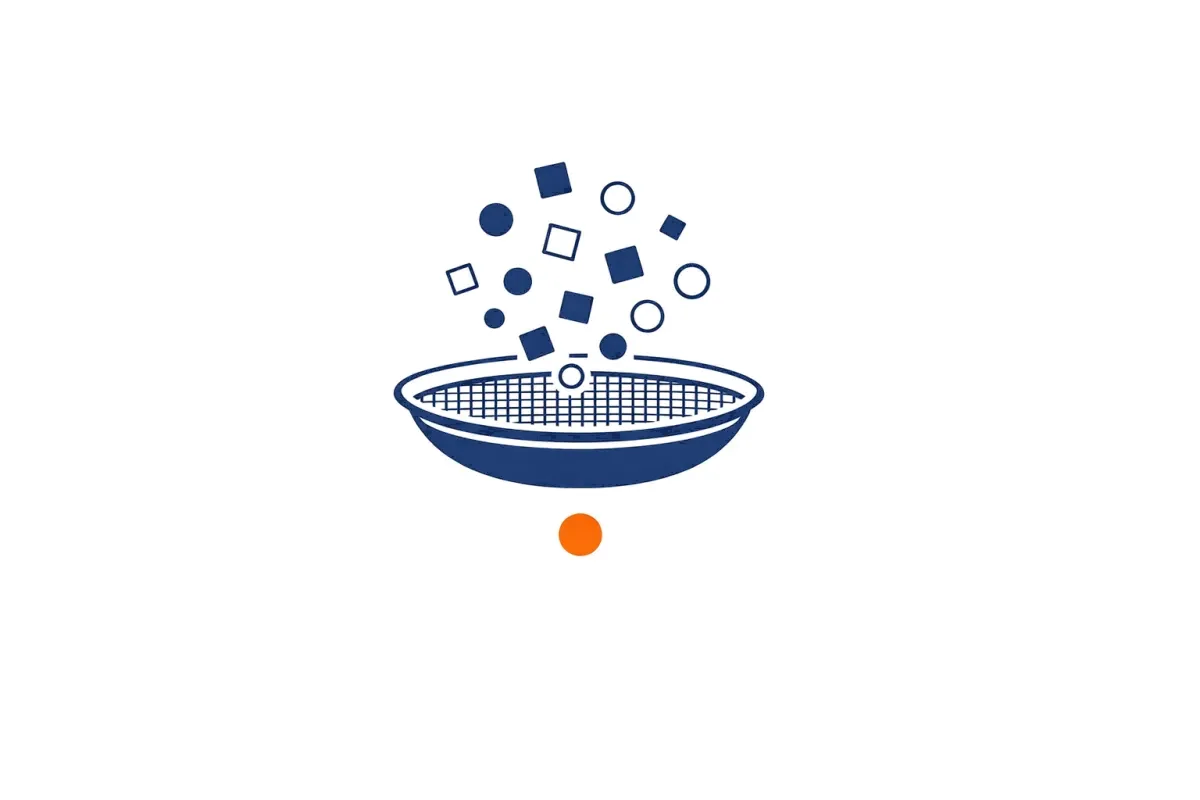
These are designed to separate marketing judgement from tool enthusiasm. A good consultant will be glad you asked them.
"What would you change about our marketing if AI did not exist?" This is the most important question on the list. The answer tells you whether you are hiring a marketer who uses AI, or a tool enthusiast who needs your marketing as a place to put it.
"What will we own when you finish?" Listen for decisions, documents, and workflows your team runs without the consultant. If the answer involves a monthly subscription to something only the consultant can operate, you are renting, not buying.
"Which of our tasks would you not automate, and why?" Someone with real judgement has a clear answer. Someone selling automation will tell you everything can be automated.
"Show me something you built that you still use yourself." AI marketing is new enough that a lot of advice comes from people who have read about it. Ask for a working example, ideally one the consultant relies on in their own business.
"How do you stop our content sounding like everyone else's?" The honest answer involves your own thinking as the raw material, a defined voice, and human editing. If the answer is a better prompt, be careful.
How I Work as an AI Marketing Consultant
Since you are reading this on my site, here are my own answers to those questions.
I am a marketing consultant first. My background is twenty-plus years in marketing strategy and positioning, starting in a research lab at GE, then building and selling an intellectual property firm, then building marketing businesses of my own. The AI part comes from a long habit of automating my own work. I have been doing it since 2006, when the first thing I automated was the Caps Lock key on a Windows laptop, which I turned into a search bar. Twenty years of that teaches you that the first version of any automation is easy. The fiftieth run is the one that shows you whether it works.
The method is CLEAR. It starts with the marketing itself: who you serve, why they buy, what you say, and where you show up. AI comes in when there is a weekly rhythm worth speeding up, and it goes into the dull parts of that rhythm, not the judgement. I work alone, so you get me rather than a team. Engagements are scoped after a conversation, and the usual first step is the Pipeline Reality Check, a one-week diagnosis of where your new business actually comes from, before anyone recommends a tool.
If what you need is a general marketing consultant rather than an AI-specific one, I have written a buyer's guide to hiring a B2B marketing consultant in India that covers the wider decision. And if you are building the full system for getting clients beyond referrals, the pillar guide sets out how the pieces fit together.
Thinking About AI for Your Marketing?
The firms that will get the most out of AI in marketing are not the ones with the most tools. They are the ones that redesigned the floor first: a clear position, a message only they could say, and a routine worth running every week. AI then makes that routine cheap enough to keep going through the busy months, which is when most marketing quietly stops.
Thinking about AI for your marketing? Get in touch. Tell me what you have tried, and what you hoped it would do. I will tell you honestly whether the constraint is the tools or the marketing underneath them, and which one to fix first.
Common questions
What does an AI marketing consultant do?
A good one makes your marketing work first, then makes it faster and cheaper to run with AI. That means settling who you serve and what you say, choosing a few channels, and building AI into the repetitive parts of the weekly routine: research, first drafts, repurposing, sorting enquiries, and reporting. The judgement stays with your firm.
Is AI marketing worth it for a small B2B services firm?
Yes, once the basics are in place. AI makes whatever you already do faster, so it pays off when your positioning and message are clear and you have a routine worth running every week. Pointed at vague marketing, it mostly produces more vague marketing.
How much does an AI marketing consultant cost in India?
It depends on scope more than on the AI. The main drivers are whether the marketing itself needs fixing first, how many workflows are being built, and whether your team or the consultant runs them afterwards. Be wary of an ongoing subscription to tools only the consultant can operate; a fair engagement ends with workflows your firm owns.
Will AI replace marketing consultants?
It is replacing the parts of marketing work that were never the valuable part: first drafts, research summaries, reporting. The parts a services firm actually pays an adviser for, deciding who to serve, what to say, and what not to do, depend on judgement about your market. That is getting more valuable as AI makes generic content free.

Anoop Kurup
I'm a marketing consultant for B2B service firms in India. I fix the positioning, visibility, and lead generation behind weak sales. Before this: a research lab at GE, then patents and competitive strategy, then an intellectual-property firm I built and exited. I work with founders one engagement at a time from Bangalore.
More about meThinking about AI for your marketing?
This is the Engage stage of the CLEAR method. Tell me what you're seeing in your pipeline. I'll tell you honestly if I can help, and where I'd start.
Get in touch