
AI Lead Generation for B2B Services Firms
AI lead generation tools find, research and draft faster than any person. For a services firm they only work once you know exactly who to look for and why.
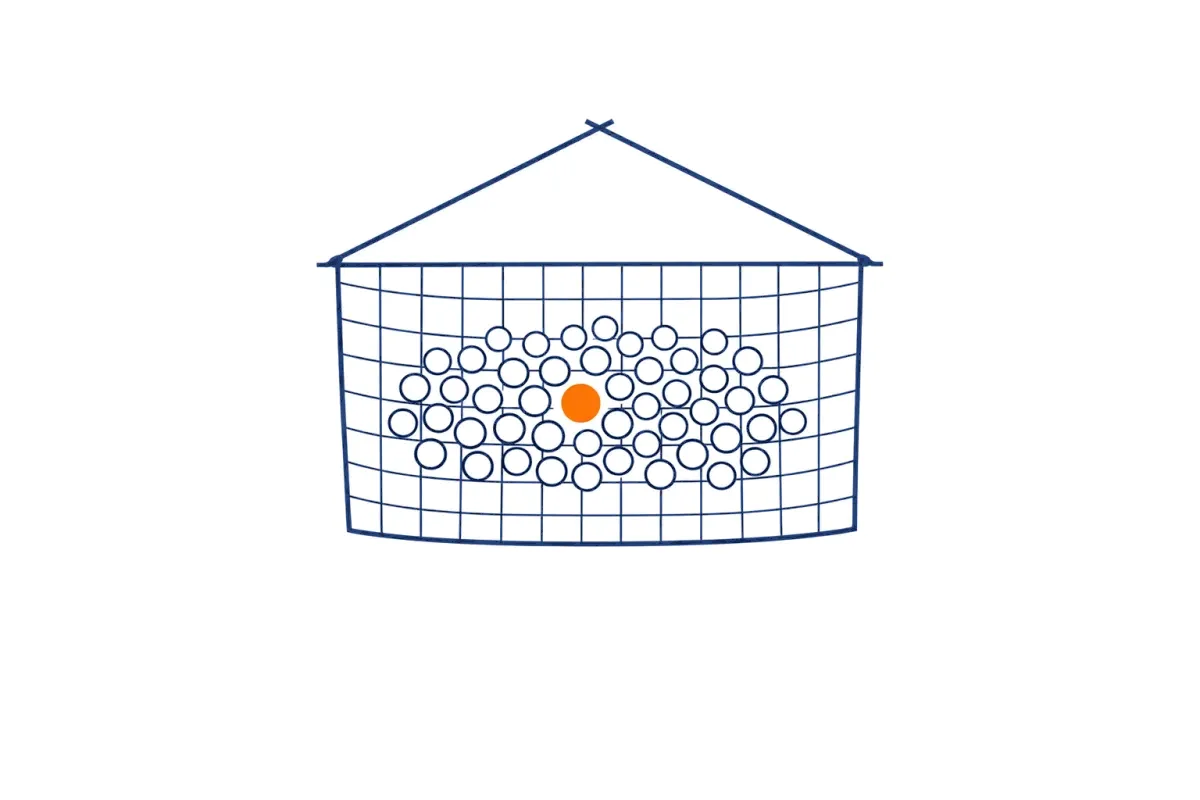
If you have been to Fort Kochi, you have seen the big cantilevered fishing nets on the shore. A team of men lowers a huge net into the water, waits, and hauls it up. Whatever happened to be swimming past comes up with it. Some days it is a good catch. Most days it is a few small fish, some weed, and a plastic bottle.
Most AI lead generation tools work like those nets. They are very good at lowering something large into the water and hauling it up. A tool can hand you five thousand "leads" before lunch. What it cannot do is decide which fish you were trying to catch.
For a B2B services firm, that decision is the whole game. You do not need five thousand leads. You need perhaps twenty firms that have the problem you solve, the budget to fix it, and a reason to talk to you this quarter. AI can help you find and reach those twenty much faster than before. But only if you already know who they are. This guide covers where AI genuinely helps with lead generation, which tools do which job, what AI agents can and cannot do, and why the firms that get the most from AI are usually the ones who fixed their marketing first.
What Is AI Lead Generation?
AI lead generation is the use of AI tools to do the research, data and writing work behind finding new clients. In practice that means four jobs: building a list of companies and people who fit your buyer, researching each one, drafting the first message, and sorting the replies.
None of these jobs is new. A good business development person has always done all four. What has changed is the cost. Research that took an hour per company now takes a minute. A first draft that took twenty minutes now takes ten seconds. That is a real change, and I do not want to undersell it. I have been automating my own work since 2006, and nothing in that time has removed as much grunt work as the current crop of AI tools.
But the cost of judgement has not changed at all. Deciding who is worth contacting, what to say that they will care about, and when to stop are still human calls. AI lead generation works when the machine does the volume and a person does the judgement. It fails when the roles are swapped.
How to Use AI for Leads: The Four Jobs It Does Well

1. Building the list. Contact databases with AI search let you describe a buyer in plain words ("logistics companies in Pune with 200 to 1,000 employees and a new head of HR") and return matching companies and people. This is the job most tools advertise, and the one where the output looks most impressive. It is also where most of the waste starts, because a list is only as good as the description you gave it.
2. Researching each account. This is the most underrated use, and for a services firm the most valuable. An AI assistant can read a company's website, recent news, job postings and the founder's LinkedIn posts, and summarise what is going on: they just opened a second plant, they are hiring three sales managers, the CEO keeps writing about attrition. That summary is what turns a cold message into a relevant one.
3. Drafting the first message. Given your research and a clear point of view, AI writes a decent first draft. Notice the condition. Without a clear point of view, it writes the same polite, forgettable note everyone else's AI is writing. I will come back to this.
4. Sorting and qualifying replies. When replies come in, AI can tag them (interested, not now, wrong person, unsubscribe), pull out what the prospect said, and flag the ones worth a call today. This is small but it saves the founder the half hour a day that usually goes into inbox triage. It also gives you a cleaner record of why deals did or did not progress, which matters more than most firms realise. I have written about how leads leak between marketing and sales in the MQL to SQL handoff.
AI Lead Generation Tools, Sorted by Job
Search for "AI lead generation tools" and you get listicles of thirty, sometimes fifty, products. Most are variations on the same four jobs. It helps to sort them by the job they do rather than by brand.
List building and data. Apollo and LinkedIn Sales Navigator are the two most Indian B2B firms already know. Apollo is a contact database with email sequencing and AI search on top. Sales Navigator is LinkedIn's own search for accounts and people, with filters for role, company size, and recent changes like a job move. For Indian mid-market companies, Sales Navigator is usually the more accurate of the two, because the data is what people put on their own profiles.
Enrichment and research. Clay is the best-known tool here. It pulls data about a company or person from many providers, then runs AI research steps on each row: read the website, summarise the latest news, find the likely decision-maker. It is powerful and takes real time to learn. For a firm contacting twenty or thirty accounts a month, a general assistant like ChatGPT, Claude or Perplexity does much of the same research by hand, one account at a time, with no setup.
Writing and sequencing. Most outreach tools now include an AI writer. They are fine for first drafts. They are not where your message comes from.
Inbox and CRM assistants. Tools that read replies, update the CRM, and remind you to follow up. Useful, unglamorous, and often already built into the CRM you have.
Free AI tools for lead generation. You can do a surprising amount for nothing. A free AI assistant can research accounts and draft messages. LinkedIn's free search, used carefully, builds a small list. A spreadsheet holds it. Most firms I meet do not need a paid stack until they are contacting more accounts than one person can research by hand, and many never get there.
The honest summary: the tools are close to interchangeable at the small scale most services firms work at. Pick one for each job you actually have, learn it properly, and ignore the rest. The founder with seven subscriptions and an empty pipeline (I describe him in the guide to AI for client acquisition) did not have a tools problem.
Can ChatGPT Do Lead Generation?
Partly. ChatGPT, and assistants like it, can do two of the four jobs very well: researching an account and drafting a message. Paste in a company's website and recent news, tell it what problem you solve, and ask what might be going on in that business. You will usually get a sharper read than a junior researcher would give you in an hour.
What ChatGPT cannot do on its own is give you a reliable list. Ask it for "fifty HR heads in Bengaluru" and it will either refuse, or produce names that sound plausible and may not exist. A general assistant is not a contact database, and treating it as one is how firms end up emailing people who left the company two years ago.
So the useful split is this. Get the list from a proper source (your own network, Sales Navigator, a database). Use ChatGPT or Claude to research each account and draft the first note. Then read the draft, change what is wrong, and send it yourself.
AI Agents for Lead Generation: What They Do Today
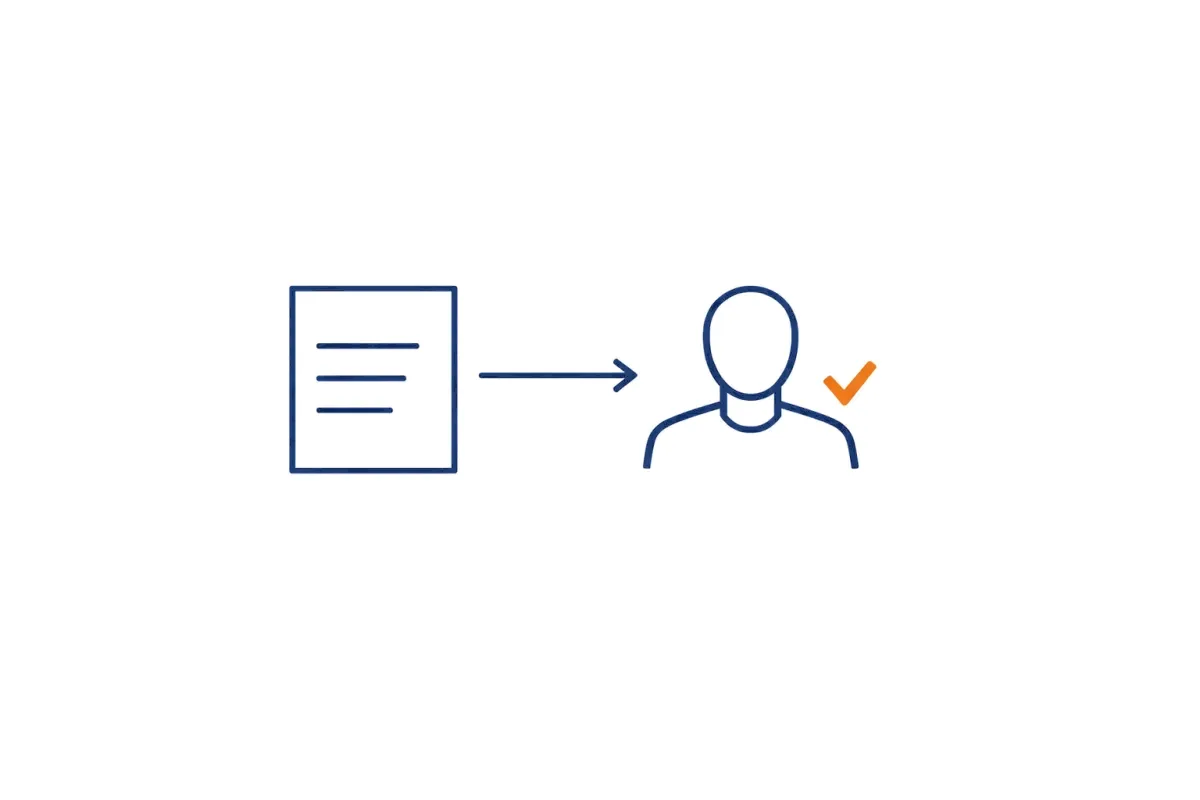
An AI agent is a tool that does several steps on its own instead of answering one question at a time. In lead generation that usually means: find accounts, research them, write a message, send it, follow up, and book a meeting, with no person in between.
The demos are impressive. The results for a services firm are mixed, for a reason that has nothing to do with the technology. A services sale is a trust sale. Your buyer is about to hand you a problem their boss is watching. The first message they get from you is your first piece of evidence about how you think. An agent writing and sending at volume, with nobody reading the messages, puts that first impression in the hands of a system that does not know your clients, your judgement, or when to stay quiet.
There is also a market reason, specific to India. Most B2B services markets here are small and well connected. The HR heads in Pune know each other. The CFOs of mid-sized manufacturers meet at the same association dinners. A badly targeted automated campaign does not just get ignored; it gets talked about. Your firm's name becomes "the one that keeps spamming me", and no amount of good work later fully undoes it.
Where agents do help today is in the steps before sending: an agent that researches thirty accounts overnight and leaves you a summary of each, ready for a person to decide and write, is a genuine time saver. I would keep a person between the agent and the send button for any firm whose clients are worth more than a few thousand rupees each.
Why AI Lead Generation Fails for Most Services Firms
When a firm tells me AI outreach "does not work", I usually find the same thing underneath. The AI did exactly what it was told. What it was told was vague.
AI is an amplifier. Give it a sharp description of who you serve and a specific point of view about their problem, and it multiplies that. Give it "we help businesses grow with innovative solutions" and it multiplies that too, across five hundred inboxes. Volume does not fix a weak message. It just spreads it faster.
This is why I say most sales problems are really marketing problems. If you cannot describe your ideal client in two sentences, AI will build you a big list of the wrong people. If you cannot say what you believe about their problem that others do not, AI will write the same message as every other firm using the same tool. And if a prospect who replies cannot see a clear, low-risk first step, the conversation stalls however good the first message was.
So before choosing a tool, check three things:
- Who exactly are you looking for? Industry, size, the role that feels the problem, and the event that makes the problem urgent. My guide to positioning for consulting firms covers how to get this down to a sentence.
- What do you have to say to them? One idea about their problem that a reader could disagree with. Not a list of services.
- What is the first step? A short diagnostic, a working session, a specific conversation. Something a buyer can say yes to without a committee.
Get those three right and almost any tool will produce results. Get them wrong and the best tool in the world will produce a well-formatted list of people who will never buy from you.
A Simple AI Lead Generation Setup for a Small Firm
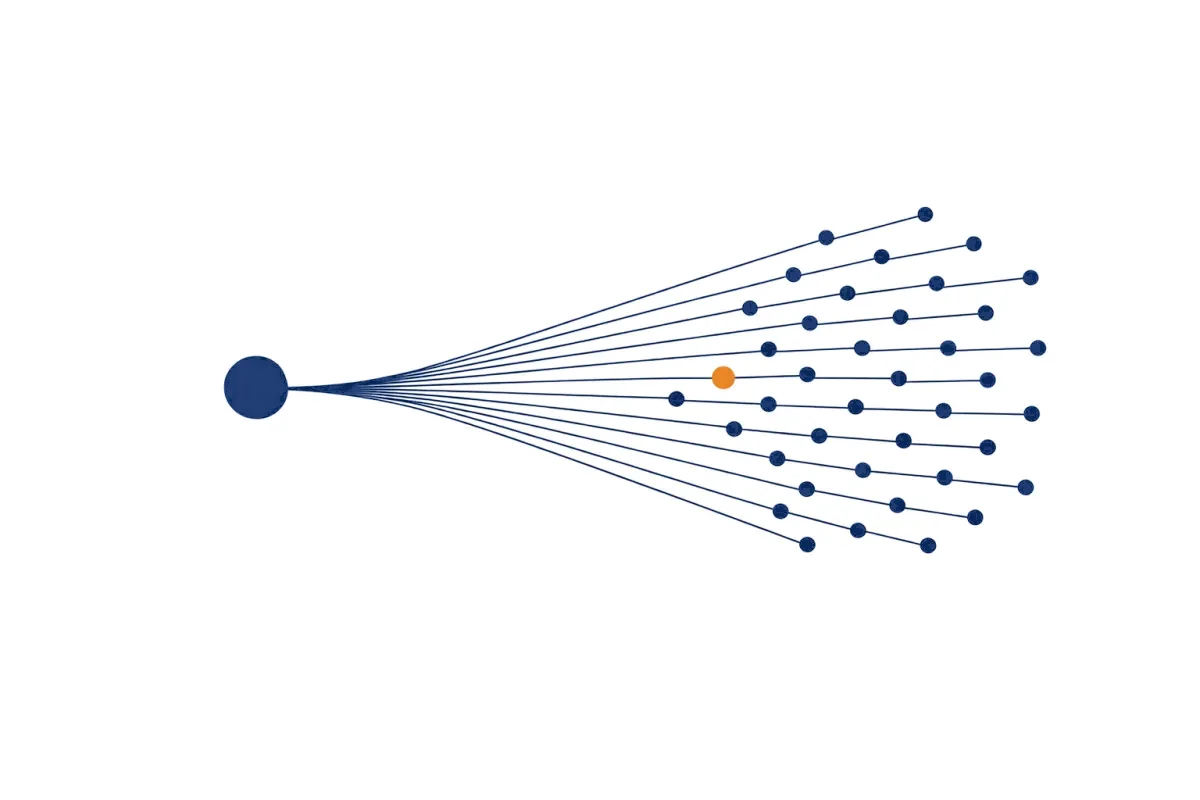
For a services firm with no marketing team, this is the setup I would start with. It costs very little and takes about two hours a week.
Once: write down your ideal client in two sentences, the one idea you want to be known for, and your first step. Build a list of fifty firms that fit, by hand, from your network and Sales Navigator. Put them in a simple CRM or spreadsheet.
Every week: pick ten accounts. Ask an AI assistant to research each one and summarise what might be going on. Read the summaries and drop any that do not really fit. For the rest, ask the assistant for a first draft that connects what you found to your one idea. Rewrite each draft in your own words, and send it yourself.
As replies come: let AI sort and summarise them, and update the CRM. Answer the interested ones the same day, personally.
That is it. Ten thoughtful messages a week, researched properly, will usually produce more conversations than five hundred automated ones. The full routine, including what AI should never touch, is in AI for client acquisition, and the craft of the message itself is in cold outreach for consultants. Outreach also works far better when the prospect has already seen your thinking somewhere, which is why a steady LinkedIn content system and direct outreach belong together.
This setup is one part of a wider system. How positioning, visibility and lead generation connect is in the pillar guide, and the channels that work best for consulting, legal, accounting and training firms are covered in lead generation for professional services firms.
Which AI Is Best for Lead Generation?
The one you will actually use every week. For most small services firms that means a general AI assistant (ChatGPT, Claude or Gemini) for research and drafting, plus one list source, usually LinkedIn Sales Navigator. Add a specialist tool like Clay or Apollo only when you are contacting more accounts than one person can research by hand.
The choice of tool matters far less than the choice of who to contact and what to say. If you want outside help deciding where AI fits in your marketing at all, I have written about what an AI marketing consultant does and when one is worth hiring.
Fast Tools, but Still No Enquiries?
If you have the subscriptions, the lists and the sequences, and the enquiries still come mostly from referrals, the problem is rarely the tool. It is usually the description of who you serve, or the message, or the missing first step.
Get in touch and tell me what you have tried. I will usually be able to say which of the three is missing. When it is unclear, we start with a one-week Pipeline Reality Check: a look at where your enquiries really come from, before you spend more on tools to find more of them.
Common questions
How do you use AI for lead generation?
Use it for four jobs: building a list of firms that fit your buyer, researching each account, drafting the first message, and sorting replies. Keep a person on the decisions: who is worth contacting, what to say, and when to stop.
Can ChatGPT do lead generation?
Partly. ChatGPT is very good at researching an account and drafting a first message. It is not a contact database, so ask it for a list of names and it may invent people. Get the list from your network or LinkedIn Sales Navigator, then use ChatGPT for research and drafts.
Which AI is best for lead generation?
For most small services firms, a general AI assistant such as ChatGPT, Claude or Gemini for research and drafting, plus one list source such as LinkedIn Sales Navigator. Specialist tools like Clay or Apollo earn their place only when you contact more accounts than one person can research by hand.
Are there free AI tools for lead generation?
Yes. A free AI assistant can research accounts and draft messages, LinkedIn’s free search can build a small list, and a spreadsheet can hold it. Most services firms contacting a few dozen accounts a month do not need a paid stack.
Do AI agents for lead generation work?
They work well for research: an agent that studies thirty accounts overnight and leaves a summary of each saves real time. Letting an agent write and send outreach unsupervised is risky for a services firm, because the first message is the buyer’s first evidence of how you think.

Anoop Kurup
I'm a marketing consultant for B2B service firms in India. I fix the positioning, visibility, and lead generation behind weak sales. Before this: a research lab at GE, then patents and competitive strategy, then an intellectual-property firm I built and exited. I work with founders one engagement at a time from Bangalore.
More about meFast tools, but still no enquiries?
This is the Engage stage of the CLEAR method. Tell me what you're seeing in your pipeline. I'll tell you honestly if I can help, and where I'd start.
Get in touch