
Lead Generation for Professional Services Firms
Professional services clients arrive at a trigger moment, looking for someone they already trust. How a firm generates leads by being that someone.

Nobody wakes up wanting a patent attorney. Or a tax adviser, an employment lawyer, or a firm to restructure their sales team. They wake up with a problem: a competitor has copied their product, a notice has arrived from the tax department, a senior employee has resigned and taken the client list with them. The need for a professional arrives all at once, usually on a bad day, and the person who has it wants one thing. Someone they can trust, quickly.
That is why most lead generation advice fails professional services firms. It is built for products people browse and compare at leisure: attract a crowd, capture emails, nurture them with a sequence, and wait for some of them to buy. Your buyers do not browse. They are not in the market at all until something happens, and when it does, they are in the market urgently and for a short time. The firm that gets the call is rarely the one with the cleverest campaign. It is the one the buyer already knew about, or found at exactly the right moment.
So lead generation for professional services is a different job. It is less about generating interest and more about being the obvious name when the trigger moment arrives.
Why Lead Generation Feels Wrong to Most Professionals
Say "lead generation" to a partner in a law firm or an accounting practice and you can watch their face change. The phrase brings to mind call centres, purchased lists, and pushy follow-up emails, none of which fit a profession built on discretion and judgement.
Some of that discomfort is professional rules, not just taste. In India, advocates and chartered accountants work under rules that restrict soliciting work and advertising, and other professions have their own codes. I covered what that closes off for CAs in how a CA firm gets clients. The short version: the rules close off pushing. They do not close off being findable, being known, or being useful in public.
And the rest of the discomfort is well placed. A professional services firm that markets itself like a mobile phone plan does damage to the one thing it sells, which is trust. So the answer is not to hold your nose and copy the playbook. It is to build lead generation that fits how professional services are actually bought.
Every Professional Services Lead Starts With a Trigger
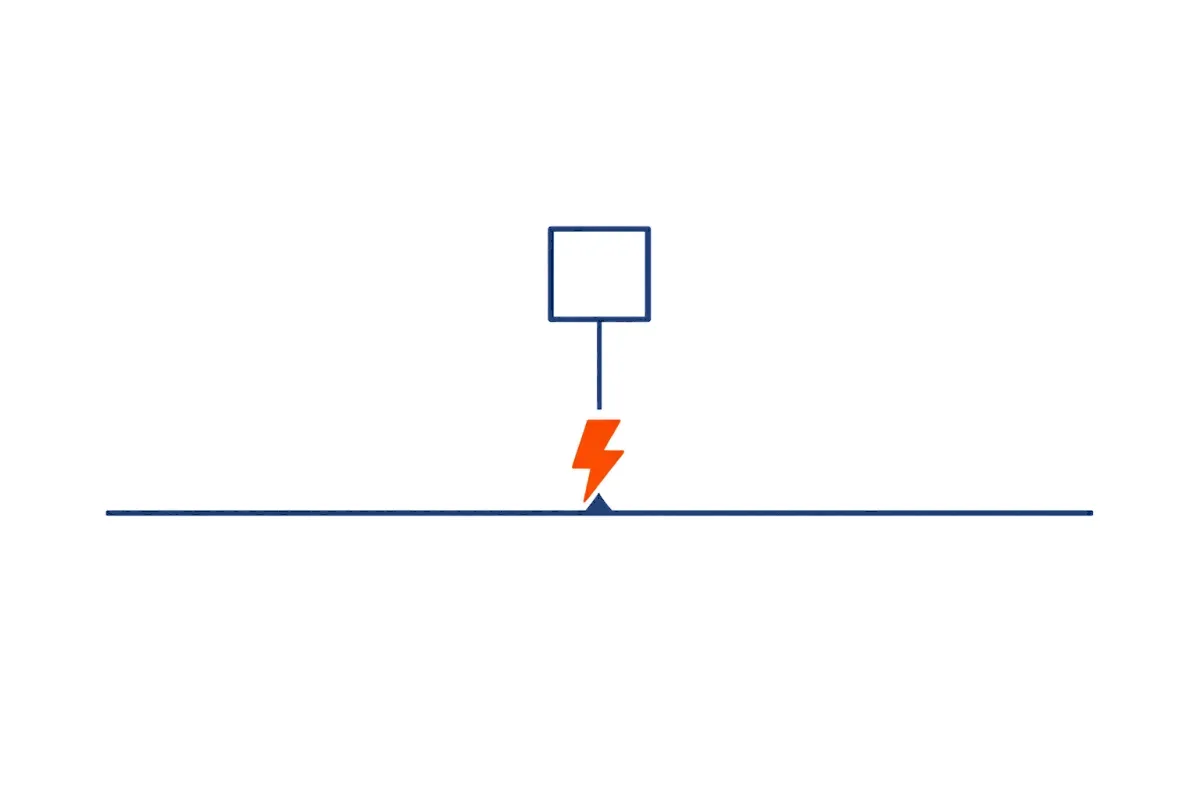
Start by listing the events that turn a stranger into a buyer of your service. For an IP firm, it might be a product launch, a funding round, or a copycat on an ecommerce site. For an HR consulting firm, a team crossing fifty people, a messy exit, or a new labour code. For a CA firm, a notice, an audit, or a business outgrowing its first accountant.
When I ran an intellectual property firm, one question arrived almost every week in some form: "Is my idea patentable in India?" It was not a lead in the marketing sense. Nobody had filled in a form. But every person asking it had a real invention and a decision ahead of them, which made it the best lead we could get.
Once you have the list of triggers, lead generation becomes a much clearer question: when this event happens to the kind of client we want, how do we make sure we are the first name they think of, or the first useful answer they find? That question has three honest answers.
Three Ways Clients Find a Professional Services Firm
They are referred by someone they trust. For most firms this is already the main source, and it should stay a big one. The mistake is leaving it to chance. The most reliable referrers for a professional are usually other professionals who see the same clients at a different moment: the CA who notices a client's new product, the lawyer handling a funding round, the HR adviser who sees a team growing. A small number of deliberate relationships with adjacent firms, kept warm by actually being useful to them, beats a large network you see twice a year. It also beats waiting, which is the habit I write about in how to stop relying on referrals.
They find you at the trigger moment. When the problem arrives, many buyers search before they call anyone, even when they also ask a friend. They type the question in their own words: "trademark objection reply", "how to handle a GST notice", "can an employee take client data". A firm with a clear, useful page answering that exact question is in front of the buyer at the one moment it matters. This is the most underused channel in professional services, because it looks like writing rather than marketing. I explain how to find and write those pages in SEO for consultants.
They already know you from your thinking. A partner who speaks at the industry association, writes a sharp monthly note for clients, or posts a useful view on LinkedIn when a new rule lands becomes familiar long before anyone needs them. When the trigger arrives, the buyer does not have to search. They already have a name. This takes the longest to build and lasts the longest, because it compounds.
You do not need all three running at full strength. Most firms do well with deliberate referral relationships plus one of the other two, done steadily.
Turn Attention Into a Conversation
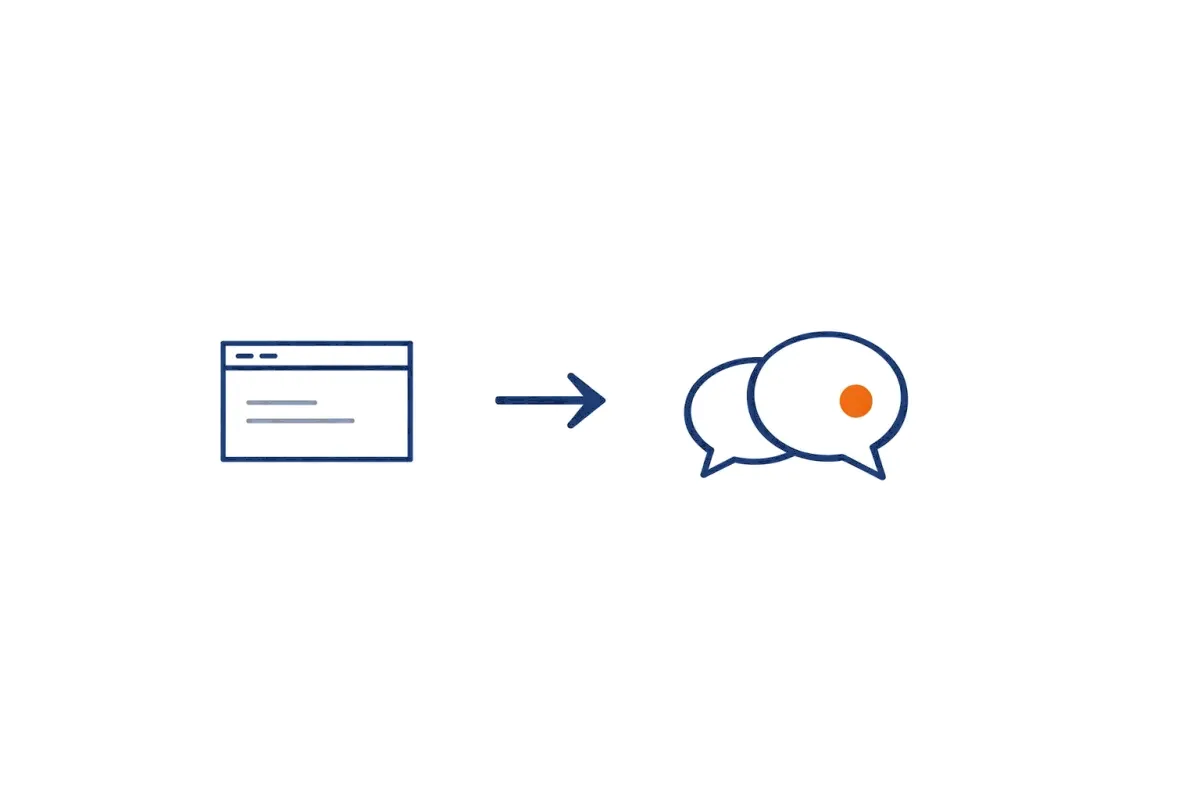
Visibility without a clear next step is a leak. Plenty of professional firms are known, read, and even searched for, and still get fewer enquiries than they should, because the path from "this firm seems good" to "I am talking to them" is unclear.
Three things fix most of that.
Say who you help with what. A buyer arriving at your website on a bad day should be able to tell in ten seconds whether you handle their problem for businesses like theirs. "Full-service legal solutions" does not do that. "We help manufacturing exporters with contracts, disputes, and customs" does. This is a positioning decision before it is a copywriting one, and I go into it in how to differentiate a professional services firm.
Offer a low-risk first step. A buyer under pressure is also a buyer worried about committing to a firm they do not know. A defined first step lowers that worry: a short review of their situation, a fixed-scope opinion, a first meeting with a clear agenda. It lets them experience your judgement before they buy the full engagement.
Answer fast. In professional services, the first competent reply often wins. If an enquiry sits for two days because the partner was in court or on an audit, the buyer has usually spoken to someone else. A simple rule that every enquiry gets a human response the same working day will win you more work than most marketing campaigns.
Should You Hire a Lead Generation Company?
Search for lead generation for professional services and much of what comes back is lead generation companies offering appointments, contact lists, or "qualified leads" at a price per lead. It is a fair question whether to use one.
For most professional services firms, my answer is no, or at least not first. Those services are built for volume. They are good at producing meetings with people who match a job title and an industry. They are not good at finding people who have a trigger event this month and a reason to trust you, which is what a professional services lead actually is. The result is usually a calendar full of polite meetings with people who do not need you yet, and a team that concludes "marketing does not work for firms like ours".
There are exceptions. A firm selling a standard, repeatable service to a very well-defined market can sometimes make outbound appointment setting work. But even then, the message has to be right first, or you are paying someone to repeat a weak pitch faster.
How It Changes by Type of Firm
The principles hold across professions, but the emphasis shifts.
Law and chartered accountancy. Rules on solicitation make findability and published expertise more important than any form of outreach. Useful public writing, speaking, and a website that answers real questions do most of the work.
IP and patent firms. Triggers are clear and searchable: inventions, launches, infringements. Search and education carry a lot of weight. I go into this in marketing for IP firms.
HR, management, and other consulting. Outreach is allowed and can work, but it works best when it rides on a point of view rather than a pitch. Referral partnerships with adjacent advisers are especially strong.
For the wider picture of how marketing works in these firms beyond lead generation, the hub guide on marketing for professional services firms covers positioning, content, and the plan a busy practice can actually keep.
Measure Where Your Clients Really Come From
The last piece is simple and almost nobody does it. Look at your last ten clients and write down, for each, how they first heard of you and what was happening in their business when they called. You will see your triggers and your real sources on one page, and it usually changes what you think your marketing is.
Then keep counting. Enquiries per month, by source, is enough. You do not need a dashboard. You need to know whether the thing you started doing in January is producing conversations by June.
Most professional services firms are good at the work and quiet about it. Lead generation, done in a way that fits the profession, is simply making sure the right people know you exist before their bad day arrives.
Good at the work, but enquiries still arrive only by chance? Get in touch. Tell me where your last ten clients came from, and I will tell you honestly which of the three sources your firm should build first. If it needs a closer look, the usual first step is the Pipeline Reality Check, a one-week diagnosis of where your new business really comes from.
Common questions
How can a professional services firm generate leads?
Map the trigger events that make someone need your service, then make sure you are found or remembered at that moment. In practice that means deliberate referral relationships with adjacent professionals, useful pages that answer the questions buyers search when the trigger arrives, and a visible point of view through writing or speaking. Then make the next step easy: a clear statement of who you help, a low-risk first step, and a same-day reply.
Can a law or CA firm in India do lead generation without advertising?
Yes. The professional rules restrict soliciting work and advertising, so outreach and promotional campaigns are largely off the table. Being findable, publishing useful knowledge, speaking, and building relationships with other professionals generally remain open, and they are the channels that work best for trust-based services anyway. Check the current rules of your own professional body before publishing anything promotional.
Is LinkedIn good for lead generation in professional services?
It is good for the third source: being known for your thinking before anyone needs you. A partner who posts a clear, useful view when a new rule or ruling lands becomes familiar to the right people. It is poor as a cold outreach channel for most professional firms, because automated connection requests and pitches undermine the trust you are selling.
How long does lead generation take to work for a professional services firm?
Faster fixes, like a clearer website, a defined first step, and same-day replies, can change enquiries within weeks. Search pages and published thinking take several months of steady work before they bring enquiries you can measure, and they keep paying for years after. Deliberate referral relationships sit in between.

Anoop Kurup
I'm a marketing consultant for B2B service firms in India. I fix the positioning, visibility, and lead generation behind weak sales. Before this: a research lab at GE, then patents and competitive strategy, then an intellectual-property firm I built and exited. I work with founders one engagement at a time from Bangalore.
More about meGood at the work, but enquiries still arrive only by chance?
This is the Engage stage of the CLEAR method. Tell me what you're seeing in your pipeline. I'll tell you honestly if I can help, and where I'd start.
Get in touch