
How to Market a Consulting Firm
How to market a consulting firm when clients buy judgement they cannot inspect: positioning first, then proof, visibility, and an easy first step.
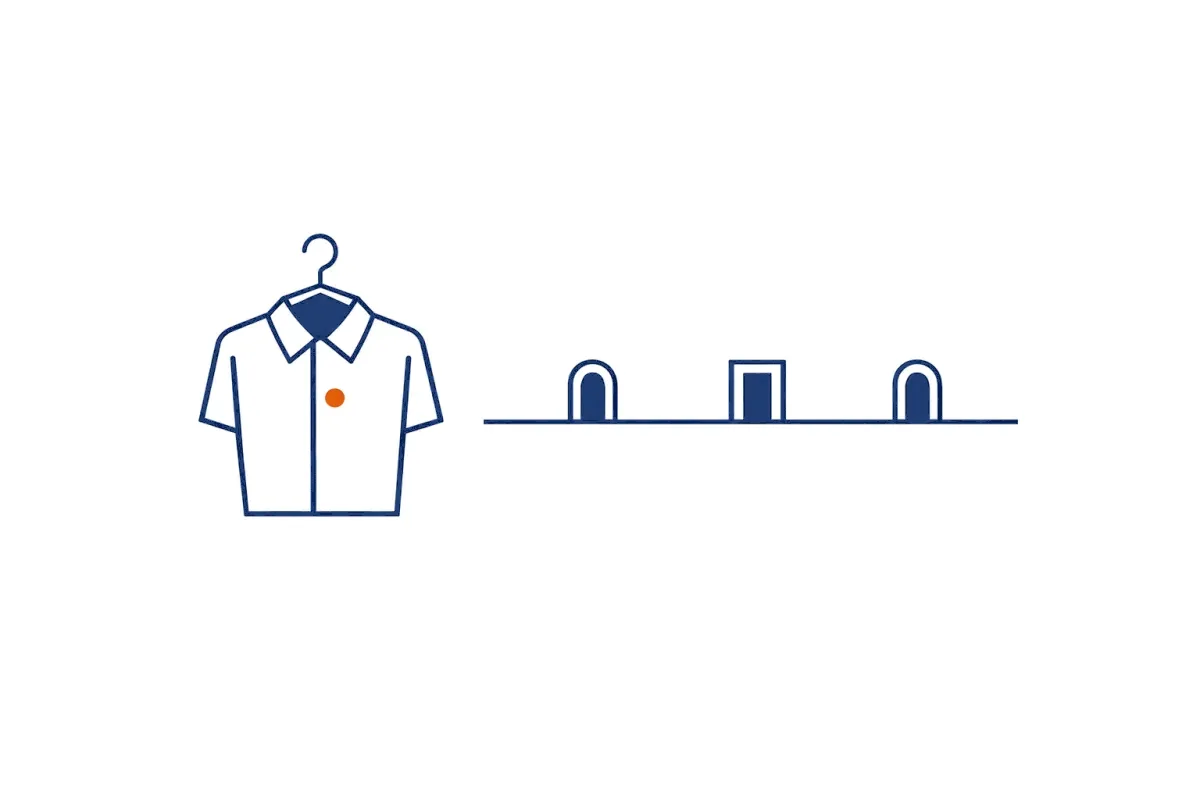
Every Indian town has a tailor who never advertises. He has no signboard worth reading and no social media page, and he is booked for weeks before every wedding season. His customers found him the way their parents did: someone wore one of his shirts, and someone else asked where it came from.
Now imagine he moves to a new city. His skill travels with him. His reputation does not. He is the same tailor, cutting the same cloth just as well, and for months his shop is empty, because nobody on the new street has ever worn his work.
A consulting firm is that tailor. The early clients come through people who have seen the work. Then the firm wants to grow into a new sector, a new city, or simply past the people who already know it, and it discovers that good work does not announce itself. Marketing a consulting firm is the job of becoming known, and trusted, by buyers who have never worn your shirt.
This guide covers how to do that: what makes consulting marketing different, the four parts of a marketing strategy that works for a small firm, which channels earn their place, and a weekly routine a busy consultant can actually keep.
Why Marketing a Consulting Firm Is Different
A consulting firm sells judgement. The client is buying your ability to see their problem clearly and choose well on their behalf, and none of that can be inspected before they pay. There is no demo, no free trial, no sample to hold.
So the buyer looks for substitutes. The strongest one is a referral: someone they trust has already tested your judgement. The weakest is your fee, because when a buyer cannot tell two firms apart, price is the only thing left to compare.
That is why the usual symptoms of a consulting firm's marketing problem show up in sales. Proposals go silent. Prospects ask for a discount before they ask a single question about the work. Every good month can be traced back to one or two people who keep sending clients your way. Firms read these as sales problems and look for better closing skills. Usually the sales are fine. What is missing is anything public that answers the three questions every buyer of consulting is silently asking:
- Do you understand my problem? Not problems in general. Mine, in my industry, at my size.
- Can I trust your judgement? Is there evidence beyond your own claims?
- What would working with you be like? What happens in the first week, and what will I get?
Good consulting marketing answers those three questions for strangers, at scale, before you are in the room. Everything below is in service of that.
Start With Positioning, Not Channels
The most common mistake I see is starting with the channel. A firm decides it needs to be on LinkedIn, or needs a new website, or needs SEO, and starts producing. Six months later it has a lot of content and very few enquiries, because the content said what every other firm says.
Offer before channel. Before you decide where to be seen, decide what you want to be known for. For a consulting firm that comes down to three choices:
- The problem you solve, named the way a client would name it.
- The buyer who has that problem badly enough to pay for it.
- The method you use that others do not.
"Strategy consulting for growing businesses" makes none of those choices. "We help family-owned manufacturers in Gujarat professionalise before the second generation takes over" makes all three. The second firm will write better articles, give sharper talks, and win more of the right enquiries with less effort, because every piece of its marketing points the same way.
I have written a full guide to positioning for consulting firms, and another on how to differentiate a services firm when your competitors all sound alike. If you do only one thing from this article, do that work first. Marketing amplifies whatever message you give it, and a vague message amplified is still vague.
A Marketing Strategy for a Consulting Firm: The Four Parts
People ask me what the best marketing strategy for a consulting company is, expecting the name of a channel. The honest answer is that a strategy for a small firm has four parts, and most firms have one or two of them.
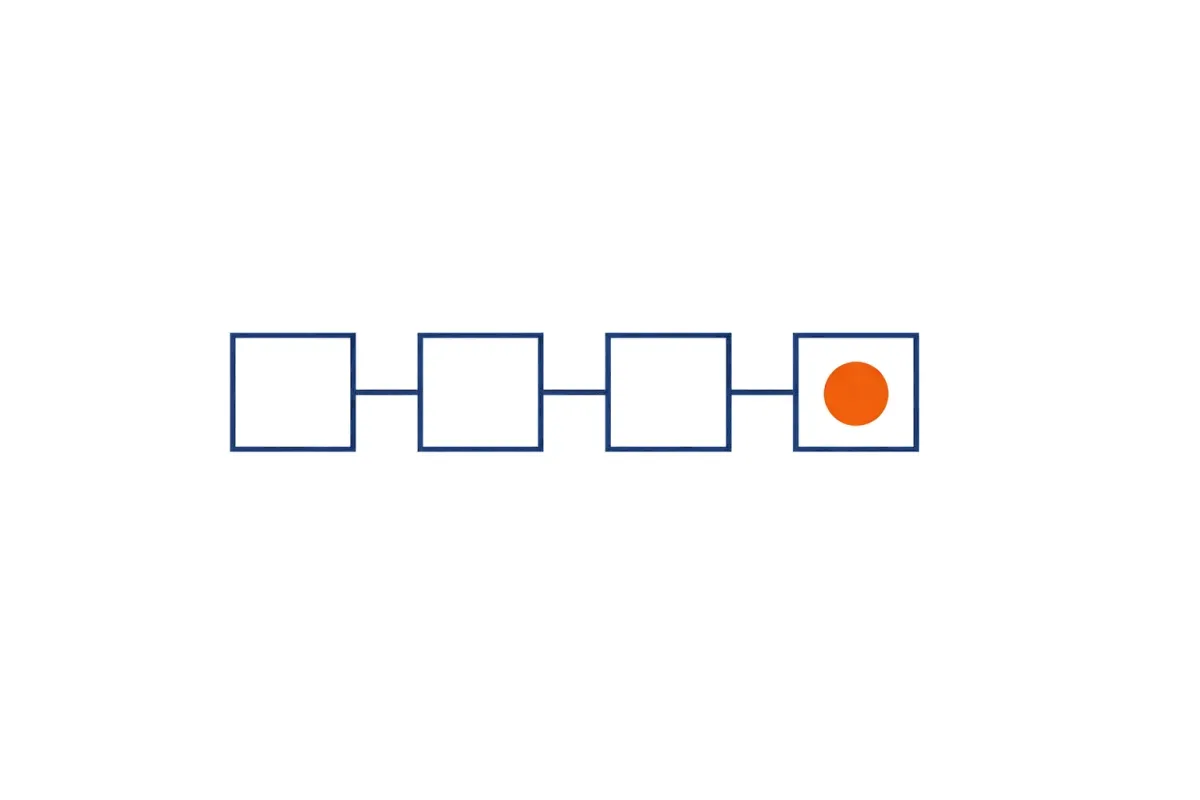
1. A position. Covered above. One sentence a stranger could repeat after hearing it once.
2. Proof. Evidence that your judgement works, from someone other than you. Case studies with the reasoning left in, short client quotes that name a specific result, before-and-after descriptions of a problem. Most consulting firms have years of good work and almost none of it written down. Turning past engagements into proof is often the fastest marketing win available, because the work has already been done.
3. Visibility. A way for the right buyers to come across your thinking repeatedly, without you having to be in the room. This is where channels come in, and it is the part people usually mean when they say "marketing". It works only when the first two parts are in place.
4. A way in. A small, clear first step for a buyer who is interested but not ready to sign a six-month engagement. A diagnostic, a workshop, a fixed-scope review. Consulting engagements are large decisions, and a buyer who is asked to make the large decision first will often make none at all.
Each part depends on the one before it. Visibility without proof attracts people who then cannot find a reason to trust you. Proof without a way in leaves an impressed reader with nowhere to go. When a firm tells me its marketing "is not working", I usually find that one of the four is missing, and the firm has been compensating by doing more of another.
Digital Marketing for Consulting Firms: Which Channels Earn Their Place

There are dozens of channels and a small firm can sustain perhaps two. The question is not which channel is best in general, but which ones your buyers already use when they are looking for help with the problem you solve.
These are the ones I see working for consulting firms with one to fifty people.
Writing that answers your buyers' questions. Articles on your own site, built around the problems you have positioned on. This is the slowest channel to start and the longest-lasting, because a good article keeps answering questions for years. It also makes everything else easier: a LinkedIn post, a talk, or a proposal can all draw on it. The point is not volume but a point of view, which I cover in the guide to thought leadership for services firms, and the search side of it is in SEO for consultants.
LinkedIn. For most B2B consulting in India, this is where buyers already spend time. It reaches people faster than search and forgets them faster too. It works best as the place where your written ideas get a second life, not as a separate content factory.
Rooms where buyers gather. Industry association meetings, chambers of commerce, sector conferences, alumni groups. A thirty-minute talk to forty people who all have your problem is worth more than a month of posts. Most consultants underuse this because it feels old-fashioned. It works for exactly that reason: fewer people are doing it.
Your existing network, deliberately. Past clients, former colleagues, and the people who have referred you before. A short note when you publish something genuinely useful costs nothing, and it keeps you in mind for the next referral. Referrals are not the problem. Depending on them alone is.
Direct outreach, done with care. A short, specific note to a small list of firms that clearly have the problem you solve. This is not mass messaging. Done well it means ten thoughtful notes a week, each one showing you have looked at the firm. The guide to cold outreach for consultants covers how to do it without becoming a nuisance.
What usually does not earn its place for a small consulting firm: paid advertising before the position is sharp, directory listings that compare you with forty other firms on price, and trend commentary written to fill a calendar. Each has its uses, but not as the first thing a firm spends its limited time on.
Turning Attention Into Enquiries
Visibility gets your firm noticed. It does not, on its own, get you a phone call. Between the two sits a gap that most consulting firms leave wide open.
The fix is the fourth part of the strategy: a clear, small way in. When a reader finishes one of your articles or hears you speak and thinks "this sounds like us", there should be one obvious next step, and it should be smaller than the engagement you eventually want. A one-week diagnostic, a half-day workshop, or a short paid review gives a cautious buyer a way to test your judgement without betting a year's budget on it.
The other half is the website itself. Most consulting firm websites are written about the firm: its history, its values, its team. A buyer arrives with a problem and has to dig to find out whether you solve it. Turn that around. Name the problem on the first screen, show proof that you have solved it before, and say plainly what the first step is.
I have written separately about lead generation for consultants, including how to tell a real lead from a polite enquiry. The short version is that a good consulting marketing system produces fewer enquiries than people expect, but far more of them turn into clients.
A Weekly Marketing Routine for a Busy Consulting Firm

The reason most consulting firms market in bursts is simple. When client work is heavy, marketing stops. When client work dries up, marketing starts again in a panic, and it takes three to six months to produce anything, by which time the work has usually come back and marketing stops again. (I have watched firms repeat this loop for a decade.)
The way out is a small weekly rhythm that survives busy months, because it is too small to drop:
- One idea, written properly. A single article or long post a week, drawn from a question a client asked you that week. Protect the slot the way you would protect a client meeting.
- Three reuses of that idea. A LinkedIn post, a paragraph for your next proposal, an opening question for your next sales conversation. One idea used several times beats several ideas used once.
- Five conversations. Notes to past clients, people who have referred you, or prospects who clearly have the problem. Not pitches. Conversations.
- One proof asset a month. Turn one finished engagement into a short case study while the details are fresh.
That is roughly three to four hours a week. AI tools make the drafting and reformatting parts faster, and I describe where they help in what AI does well in getting clients. The thinking still has to be yours, because your experience is the one thing a buyer cannot get elsewhere.
How to Measure Consulting Marketing
A consulting firm does not need a dashboard with thirty metrics. It needs to know three things.
Where enquiries really come from. Ask every new enquiry how they found you and what they read or heard before getting in touch. Write the answers down. Analytics will undercount this badly, because the reading and the enquiry often happen weeks apart and on different devices.
How many enquiries fit. A rising number of enquiries from the wrong buyers is a positioning signal, not a marketing success. Track the share that match the buyer you chose.
How the first conversation starts. This is the early sign that marketing is working. When prospects begin calls by quoting your ideas back to you, or start from their problem rather than asking about your credentials, your marketing is doing its job, often months before it shows up in revenue.
Expect six to twelve months of steady work before marketing reliably produces enquiries on its own. Firms that stop at month three never see the result, which is why the routine matters more than the quality of any single piece.
This article sits inside a wider guide to marketing for professional services firms, and the pillar guide shows how positioning, visibility, and lead generation fit together into one system.
Great Work, but Only the People Who Know You Can Find It?
Most consulting firms I meet are the tailor in the new city. The skill is real, the past clients would vouch for it, and the shop is quieter than it should be because the market has not met them yet.
If that sounds familiar, get in touch. Tell me who your best client was and how they found you. That one answer usually shows which of the four parts is missing. When the picture is unclear, we start with a one-week Pipeline Reality Check of where your enquiries really come from, before anyone spends a rupee on a new channel. If you are weighing whether to bring in outside help at all, my honest guide to hiring a B2B marketing consultant covers when it makes sense, and when it does not.
Common questions
How do I market my consulting services?
Decide your position first: the problem you solve, for which buyer, with what method. Then turn past engagements into proof, pick two channels your buyers already use (usually your own writing, LinkedIn, or industry events), and offer a small first step such as a short diagnostic. Keep it on a weekly rhythm rather than in bursts.
What is the best marketing strategy for a consulting company?
There is no single best channel. A strategy that works for a small consulting firm has four parts: a clear position, proof from past work, visibility where buyers already look, and an easy first step into working together. Most firms that say their marketing is not working are missing one of the four.
What is marketing consulting?
Marketing consulting is outside advice on a firm’s positioning, marketing strategy, and lead generation, as opposed to an agency that runs campaigns. It is a different thing from marketing a consulting firm, which is what this guide covers. A consulting firm can do its own marketing; outside help is useful when the positioning is unclear or the founder has no time to build the system.
How long does it take for marketing to bring a consulting firm clients?
Expect six to twelve months of steady work before marketing produces enquiries reliably on its own. Earlier signs show up within a few months: prospects quoting your ideas back to you, and first calls that start from their problem rather than your credentials.
Will AI replace consultants?
AI replaces the generic parts of consulting: research summaries, first drafts, standard frameworks. It does not replace judgement earned from real engagements, which is what clients pay a consultant for. For marketing, that makes a firm’s specific point of view more valuable, because generic advice is now free.

Anoop Kurup
I'm a marketing consultant for B2B service firms in India. I fix the positioning, visibility, and lead generation behind weak sales. Before this: a research lab at GE, then patents and competitive strategy, then an intellectual-property firm I built and exited. I work with founders one engagement at a time from Bangalore.
More about meGreat work, but only the people who know you can find it?
This is the Engage stage of the CLEAR method. Tell me what you're seeing in your pipeline. I'll tell you honestly if I can help, and where I'd start.
Get in touch