
Marketing for AI Consulting Firms: Proof Over Hype
Every firm now claims AI. Buyers have seen pilots fail and cannot tell who is real. How an AI or data consulting firm earns trust before the first call.
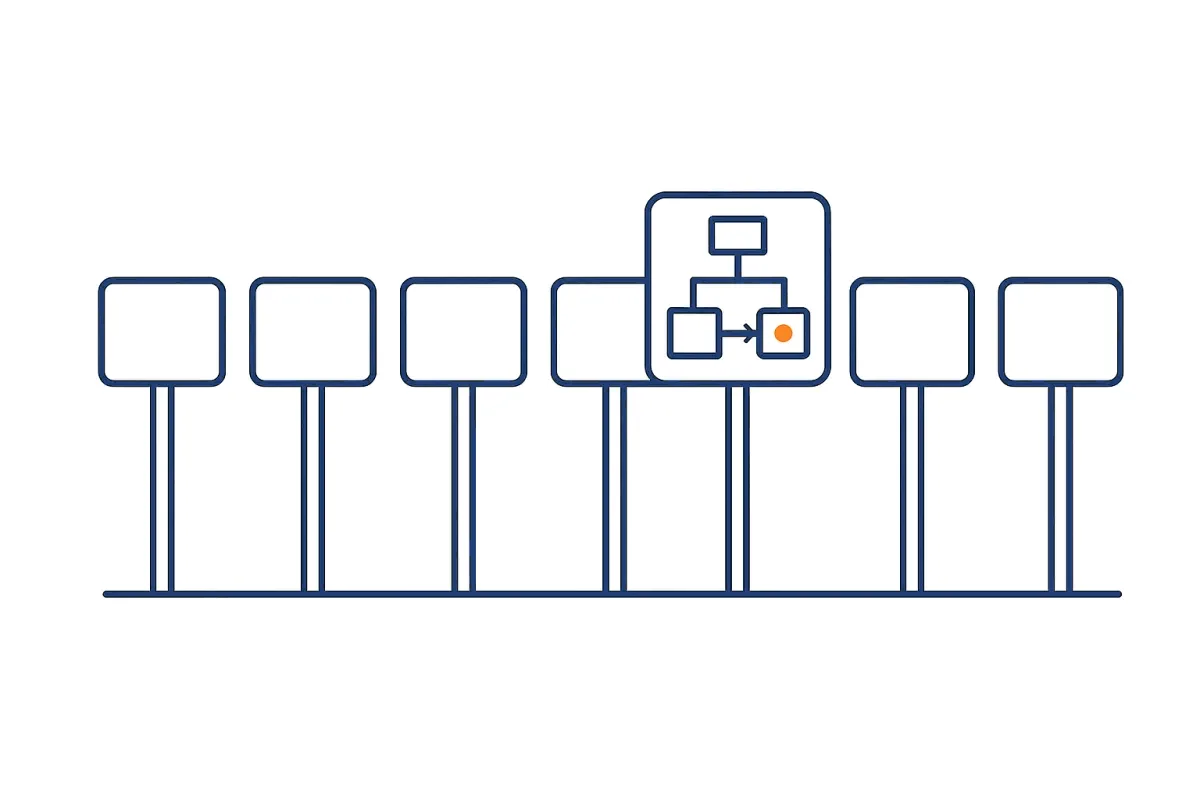
Around 1999, a company could lift its share price simply by adding ".com" to its name. Nothing else had to change. Investors saw the suffix and assumed the future had arrived. Within two years they had learned to ignore it, and the companies that survived were the ones that could explain, in plain words, what they actually did.
AI consulting is somewhere in the middle of that story. Every IT services company, digital agency and freelancer in India has added "AI" to its website in the last two years. The buyers noticed. Many of them have already paid for a pilot that produced a demo and nothing else. So they have started ignoring the suffix too, and they are looking for something harder to fake.
This article is about marketing for AI consulting firms: the boutique consultancies and data firms that do real work, and find it increasingly hard to be heard over the firms that only say the word. I write from an odd position. I have been automating my own work since 2006, long before anyone called it AI, and these days I install AI systems inside service firms. So I have bought AI advice, sold AI work, and watched both sides get it wrong. It is also a description of work I now do, so read it with that in mind.
Why AI Consulting Is Hard to Buy
Start with the buyer, because the difficulty is on their side of the table.
A typical buyer of AI consulting in India is a founder, a COO or a business head at a mid-sized company. They know they should be doing something with AI. Their board or their competitors have told them so. What they do not know is what to do, how much it should cost, or how to tell a good firm from a confident one. They are buying expertise they cannot evaluate, in a field that changes every quarter, from people who all use the same words.
That produces a set of sales symptoms most AI consulting firms will recognise:
- Discovery calls that are really free lessons. The prospect wants to understand AI, not to buy anything yet. You spend an hour explaining, and they thank you warmly.
- Pilots that never become projects. The proof of concept works. Then it sits, because nobody inside the client owns the change it needs.
- Being compared on both ends at once. A freelancer quotes a fraction of your fee. A global firm quotes a multiple and wins on the logo. You are squeezed between them.
- Proposals that go quiet. Not a no. Just silence, because the buyer could not tell whether your proposal was better than the other three.
Each of these looks like a sales problem. Better closing, sharper proposals, more follow-up. It is usually a marketing problem, in the plain sense of the word: nothing the buyer saw before the call told them what you are for, how you think, or what a safe first step with you looks like.
Everyone Claims AI Now
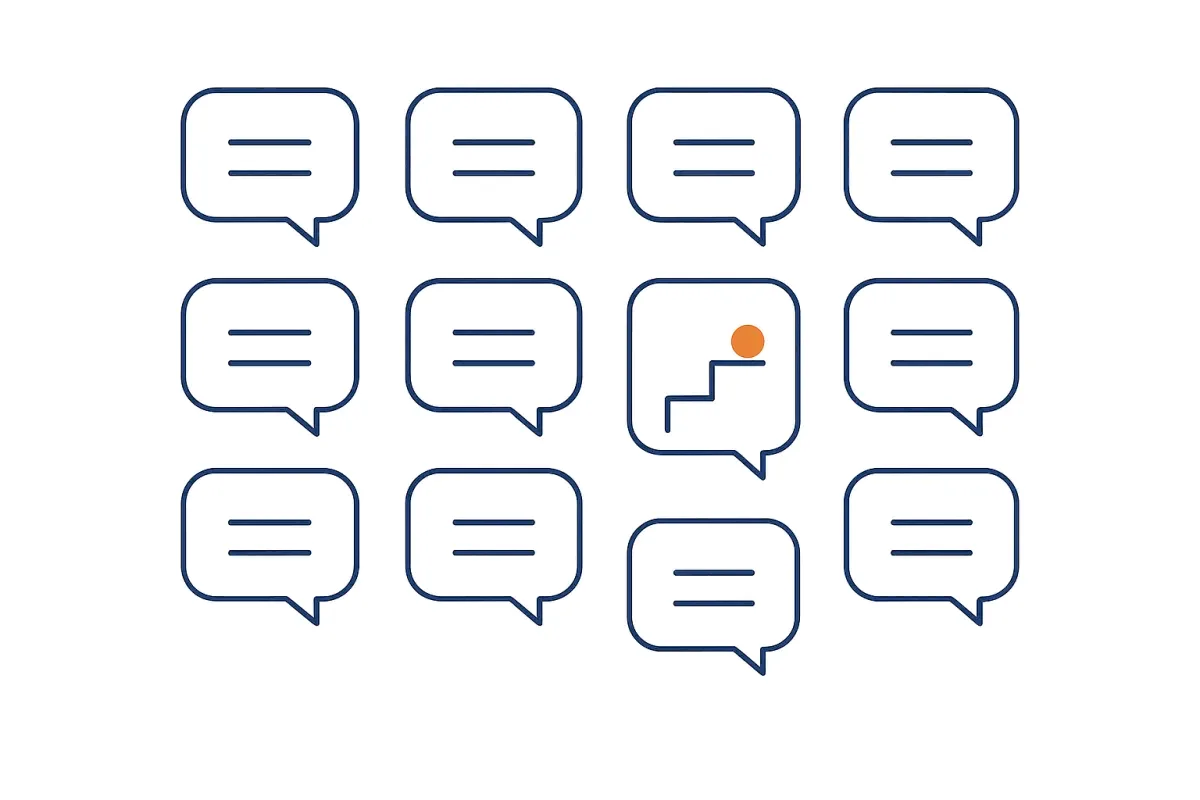
Here is the core difficulty. When a claim is free to make, it stops carrying information.
Two years ago, "we do AI" separated a firm from its competitors. Today it separates nobody. The accounting firm down the road does AI. The agency that built your website does AI. A good share of the people sending LinkedIn connection requests do AI. A buyer reading ten websites sees the same five phrases: AI transformation, generative AI solutions, intelligent automation, data-driven insights, end-to-end AI services.
So the buyer does what buyers always do when they cannot compare the work. They compare what they can see: price, logos, and how comfortable they felt on the call. A boutique AI firm loses on price to the freelancer and on logos to the large firm. It can only win on the third, and only if the buyer ever gets as far as a call.
The way out is not a louder claim. It is proof of the one thing the buyer is actually trying to judge, which is your judgement. The rest of this article is about how to show it.
Positioning by Problem, Not by Technology
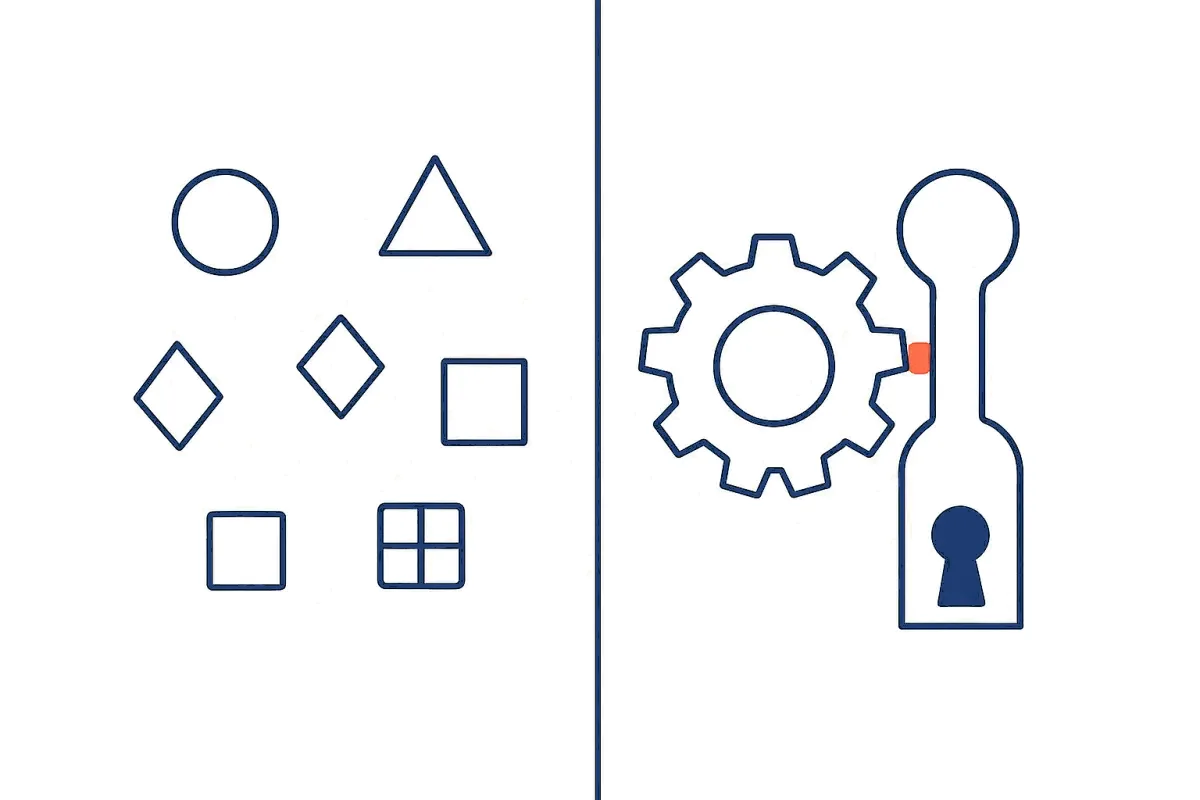
Most AI consulting firms describe themselves by their tools: machine learning, computer vision, large language models, agents, data engineering. That is how the team thinks about the work. It is not how the buyer thinks about their problem.
A buyer does not wake up wanting a retrieval system. They wake up with a support team that cannot keep up, a sales team that spends half its week on paperwork, or a finance team that closes the books ten days late. The firm that names that problem gets the call. The firm that names its technology gets filed under "maybe later".
So position by the problem you solve, and ideally for whom. Some examples of the shape:
- "Automating claims and document processing for insurance and lending companies."
- "Demand forecasting for consumer brands that sell through distributors."
- "AI systems for professional services firms that are drowning in proposals and reports."
Each one tells a stranger in a few seconds whether you are for them. Each one also makes your content easier to write, your referrals easier to give, and your pricing easier to defend, because a firm that has solved one problem twenty times is plainly worth more than one solving it for the first time.
This will feel narrow to a team that can build almost anything. That is the point. The technology is general. The value is specific. I go through how to choose a position in positioning for consulting firms, and the wider version for firms like yours is in marketing for professional services firms.
Proof of Judgement: What You Would Not Build
The most persuasive thing an AI consulting firm can publish is a reason not to buy.
That sounds backwards. It works because the buyer's biggest fear is not paying too much. It is paying for something that fails in front of their team. BCG describes successful AI work with a rule of thumb: roughly 10% of the effort goes into the algorithms, 20% into the technology and data, and 70% into people and processes. Most buyers learned that the hard way. A firm that talks only about the 10% sounds like the firm that sold them the last failed pilot.
So show the other 90%. Content that demonstrates judgement looks like this:
- Why a pilot failed, and what the company should have checked first. Anonymised, but specific.
- The three questions you ask before recommending any AI project, and what answers make you say no.
- A problem where the right answer was not AI, such as a spreadsheet, a process change or a better form.
- What it actually took to get a working system adopted by a team that did not ask for it.
Every firm can write "AI will transform your business". Very few will write "here is when you should not use AI", and the ones that do are instantly more credible, because they are clearly not saying yes to everything. It is the same instinct that makes you trust a doctor who tells you that you do not need the scan.
I made a related argument about AI tools in AI for client acquisition: the tools are rarely the problem, the missing foundation underneath them is. And in why service businesses struggle with AI adoption I explain why the real barrier is usually the business model, not the technology. An AI consulting firm that can say those things clearly, in its own words, about its own clients' industry, has something worth publishing.
A First Engagement That Lowers the Risk

The second problem is the size of the first decision. "AI transformation" is an open-ended, expensive, uncertain commitment. A buyer who has never worked with you, in a field they do not understand, will postpone that decision for as long as they can.
The answer is a small, defined first engagement with a clear scope and a fixed deliverable. For example:
- An opportunity audit: two weeks inside one function, ending with a ranked list of what to automate, what to leave alone, and why.
- A data readiness check: before anyone builds anything, an honest assessment of whether the data exists, where it lives and what it would take to use it.
- One working process: a single, contained workflow automated end to end, used by a real team for a month.
Each one gives the buyer something useful even if they never hire you again. Each one lets them watch your judgement on their own problem. And each one is easy to explain to a colleague, which matters more than it sounds. "They spent two weeks with our operations team and told us what not to build" is a sentence that travels.
I explain how to design an offer like this in how to productise your service. On price, the same logic applies to AI work as to any expert service: charge for the problem solved, not the hours spent, which I cover in value-based pricing for consultants.
Where AI Consulting Clients Come From in India
Most boutique AI firms get their first clients the same way every consulting business does: former employers, former colleagues, and people who already trust the founders. That is a good start and a poor plan, for the reasons I set out in stop relying on referrals.
Beyond referrals, a few channels work unusually well for AI consulting, and a few work badly.
LinkedIn, written by a person. Buyers of AI work want to know who will actually do the thinking. Posts from a founder or a senior consultant, showing real reasoning about real problems, do more than any company page. Founder brand vs company brand covers how to balance the two.
Search, for specific questions. People do not search "AI consulting firm" when they have a need. They search "how to automate invoice processing" or "can AI read handwritten forms". Those searches are small and full of intent. A firm that answers them well is the first firm the buyer meets. I explain how in SEO for consultants.
Industry rooms, not AI rooms. An AI conference is full of other AI firms. The buyers are at the insurance summit, the manufacturing association meeting and the logistics forum. A thirty-minute talk on "what AI actually changed in claims processing this year" in the right room beats a stall at an AI expo.
Partners who see the problem first. ERP implementers, CA firms, IT services companies and industry consultants all meet the problem before anyone calls it an AI problem. A few of those relationships, looked after properly, bring steady introductions.
What works badly: generic cold email promising "AI transformation", paid ads for broad AI terms (you will be bidding against global firms for curious students), and directories of top AI companies, which buyers mostly treat as advertising.
A Weekly Rhythm a Busy Team Can Keep
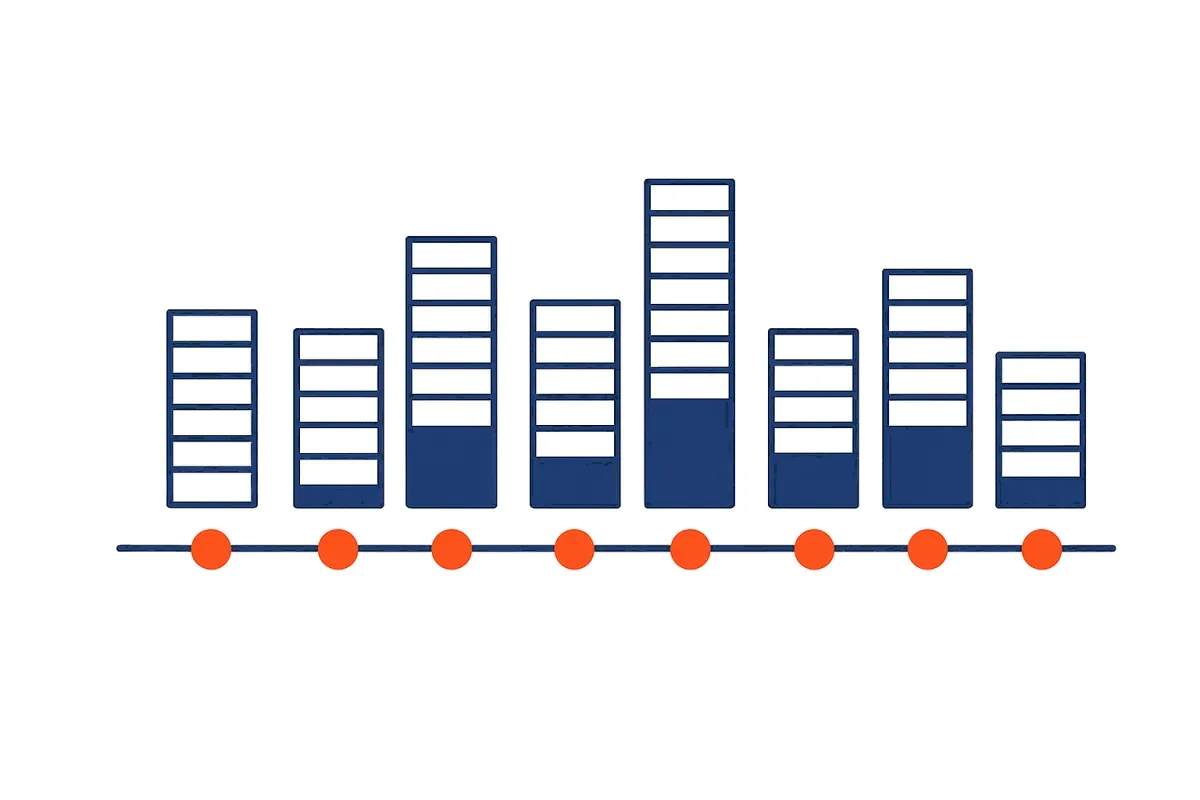
AI consulting firms have a particular risk: the team is technical, delivery is absorbing, and marketing is always next week's job. So keep it small enough to survive a hard delivery month.
- One useful piece a week from a named senior person: a lesson from a live project, a problem where AI was the wrong answer, a plain explanation of something buyers keep asking.
- Five conversations a week with past clients, partners and people who once asked for a proposal. Not pitches. A short note about something relevant to their industry.
- One public teardown a quarter: an anonymised write-up of a real project, including what went wrong. It is your case study, your content and your reason to call people, all at once.
That is two or three hours a week, owned by someone who is not the founder, on a fixed day. It looks too small to matter. It matters because it keeps running. The full system around it is in the guide to getting clients beyond referrals.
What Marketing Consulting for an AI Firm Looks Like
Here is how I work with AI and data consulting firms, since that is the obvious next question.
I start with a diagnosis, not a plan. The Pipeline Reality Check is a one-week look at where your work actually comes from: your last twenty clients, who sent them, what problem they were really trying to solve, and which enquiries went nowhere and why. AI firms are often surprised by the answer. The work they are proudest of and the work that actually pays are frequently different.
Sometimes the constraint is not marketing. If your proposals convert well and the team is simply full, the fix is hiring, pricing or delivery, and I will say so.
When it is marketing, the work follows the CLEAR method: which problems and which buyers you are for, the message that makes that obvious, the one or two channels worth your time, and a weekly rhythm your team can run without me. Each engagement is scoped after a conversation.
What I bring that a generalist does not is that I work on both sides of this. I build AI systems for service firms, and I market them. I know how a buyer's eyes glaze over at "agentic workflows", and I know what they lean forward for.
Other professional firms have their own version of this problem. IP services firms, for example, do their best work under someone else's name; that is covered in marketing for IP firms. If you are weighing up outside help more generally, the buyer's guide to hiring a B2B marketing consultant in India covers what to ask any consultant first.
Questions AI Consulting Founders Ask Me
How do AI consulting firms get clients in India?
Mostly through the founders' networks at first: former employers, colleagues and clients who already trust them. The firms that grow past that add three things: a clear position by problem and industry, published work that shows their judgement, and a small first engagement a stranger can say yes to. Together those turn a network business into one that also brings in enquiries from people who have never met you.
What is the best marketing strategy for an AI consulting firm?
Pick the problems and industries you are best at, and say so plainly. Then publish proof of judgement, including when AI is the wrong answer, and offer a small, fixed first step. Tactics like LinkedIn, search and events only work once those three are in place, because without them you sound like every other firm claiming AI.
Can a boutique AI consulting firm compete with the large firms?
Yes, on specificity and speed. A large firm sells breadth and safety. A boutique wins when it has solved this exact problem, in this exact industry, many times, and can start next week with the people who will actually do the work. Make that visible, and the logo matters less.
How should an AI consulting firm price its work?
Price the problem solved, not the hours. Buyers cannot judge whether a model took forty hours or four hundred, but they can judge what a faster close, a smaller support team or fewer errors is worth to them. A small fixed-price first engagement also makes the first yes much easier.
An AI Firm That Sounds Like Every Other AI Firm?
The companies that survived the dot-com years were not the ones with the best suffix. They were the ones that could explain what they did and prove it worked. AI consulting is heading the same way. The firms that will keep growing are the ones that position by problem, publish their judgement, including the projects they turned down, and make the first step small enough for a cautious buyer to take.
An AI firm that sounds like every other AI firm? Get in touch. Tell me where your last twenty clients came from, and I will tell you honestly whether the fix is marketing, and what I would look at first. If it needs a closer look, the usual first step is the Pipeline Reality Check, a one-week diagnosis of where your work really comes from.

About the Author
Anoop Kurup
I'm a marketing consultant for B2B service firms in India. I fix the positioning, visibility, and lead generation behind weak sales. Before this: a research lab at GE, then patents and competitive strategy, then an intellectual-property firm I built and exited. I work with founders one engagement at a time from Bangalore.
More about meCLEAR · Engage
An AI firm that sounds like every other AI firm?
Tell me what you're seeing in your pipeline. I'll tell you honestly if I can help, and where I'd start.
Get in touch