
Marketing for Web Design Agencies: The Per-Page Quote
Web design agencies get quoted by the page and compared line by line. How a studio sells what the website is for, and stops competing on price.
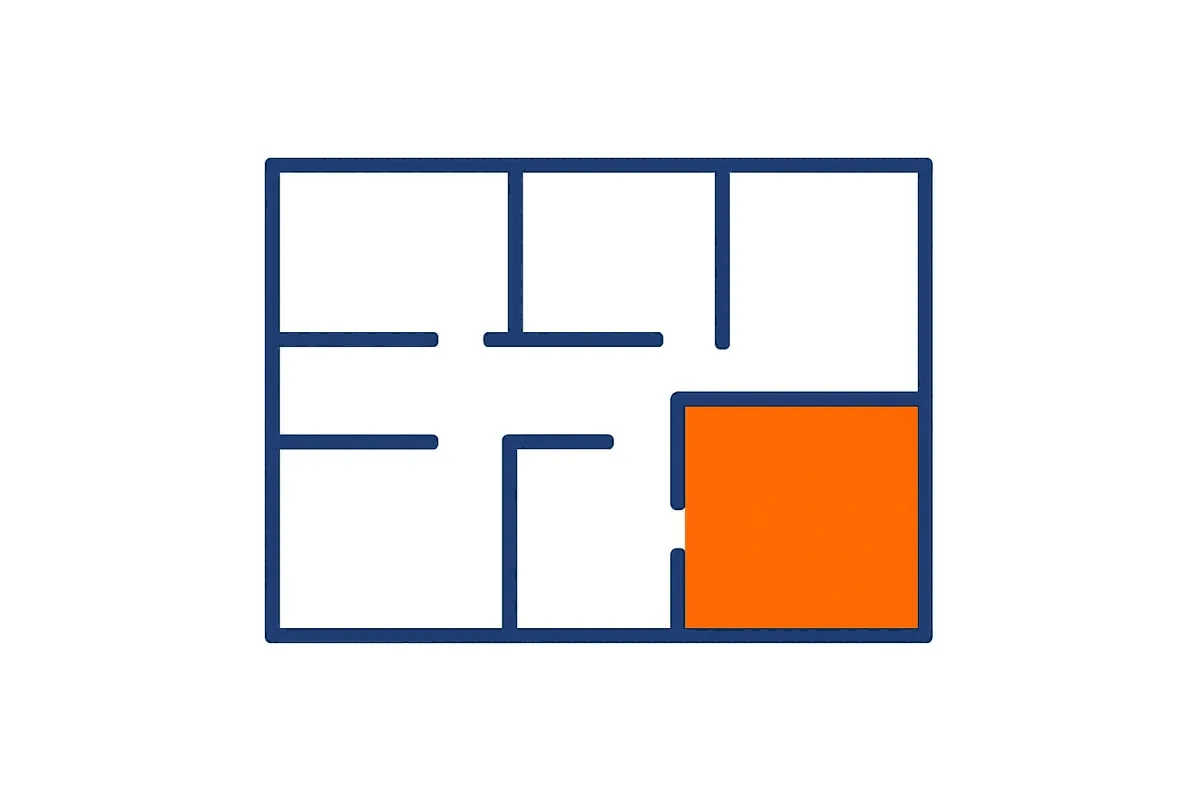
Anyone who has built a house in India knows the first question you put to a contractor. What is your rate per square foot? The contractor answers, because everybody asks. You collect three rates, put them side by side and lean towards the lowest one that does not look suspicious.
Nothing in that number tells you whether the roof will leak in its third monsoon. It cannot. It is a price for area, and area is the one thing all three contractors will deliver in exactly the same quantity.
An architect gets a different first question. What should we build on this plot? The conversation is about the family, the light, the parents who will move in later, the car that has to fit. Nobody compares architects by the square foot in the first five minutes, because nobody has yet decided what the square feet should be.
A web design agency hears the contractor's question every week. "How much for a ten-page website?" The buyer has already decided what they need, counted it, and now wants a rate. This article is about marketing for web design agencies: why the work gets quoted by the page, what the sales symptoms really point to, and how a studio moves to the architect's side of the table. If you came here asking how to get clients for a web design agency, this is my answer. It starts a step before the usual list of tactics.
Why Web Design Gets Quoted by the Page
Four things push web work towards the per-page rate, and none of them is the buyer being stingy.
The buyer has made the diagnosis before they call. By the time the enquiry arrives, somebody in the company has already said "we need a new website". The thinking is finished, as far as they know. What is left is procurement, and procurement compares quotations. I saw the same thing in a corporate video studio I worked with, where every stranger opened with "what is your per-video rate?" The full story is in out of the editing-rate trap. The word "video" had put the studio in a box, and inside that box the only thing that moves is the rate. The word "website" is the same kind of box.
The deliverable can be counted. Ten pages, two forms, a gallery, a payment gateway. Anything that can be counted will be counted, put in a column and compared with the next column.
The floor has dropped. A template, a website builder, a freelancer or an AI tool will now produce a presentable site in days, sometimes in an afternoon. A buyer who holds a quote several times larger for the same list of pages needs a reason for the difference. Most proposals do not give one.
What separates good from ordinary cannot be seen on launch day. Two new websites look equally fresh. One was built around the questions a buyer asks before they pick up the phone. The other was built around the old sitemap with nicer photographs. The difference shows six months later in the enquiries, long after the invoice is paid.
Put these together and you have a buyer who believes they are buying area. They are behaving sensibly on what they have been told.
Why Web Design Agencies Get Compared Line by Line
The sales symptoms will be familiar to most founders of a web design or development studio.
- "How much for a ten-page website?" in the very first message, before any talk of what the site is for.
- Three quotations in one spreadsheet, compared row by row. Number of pages, number of revisions, months of free support.
- A free homepage design before any contract, "so we can see your style".
- "A freelancer has quoted a fifth of this." Said kindly, and meant.
- The project that never ends. One small change, then another, for months, because the scope was a list of pages and no one agreed what finished would look like.
- Launch, final invoice, silence. The client is gone and next month starts from zero.
These look like sales problems. A firmer proposal, a tighter contract, a better answer to the freelancer line. They are usually marketing problems, and the cause is easy to find.
Open the websites of ten web design agencies. You will find a line such as "we build beautiful, responsive, SEO-friendly websites", a grid of screenshots, and a row of technology logos. Then comes the enquiry form, and here is the part that makes me smile. Very often the form asks how many pages you need and offers a drop-down for your budget.
The agency has asked the per-square-foot question itself. It has told the buyer, before a single conversation, that pages are the unit and budget is the filter. The buyer only follows the lead they were given.
This pattern runs through the whole agency world, and I describe it in the guide to lead generation for marketing agencies, which is the parent of this article. Web studios have it in a countable form, which makes it the easiest to compare and the hardest to escape.
A Position Past "We Build Websites"

"Websites for all kinds of businesses" is not a position. It is a description of the tool, and a contractor who says "I build with cement" has told you nothing about whether he should build your house.
Technology is not a position either. "WordPress experts" and "Shopify partners" matter to other developers. The buyer does not care which tool is used, any more than you care about the brand of drill.
A studio can narrow in three ways.
- By sector. "Websites for hospitals and diagnostic centres." "Websites for manufacturers who sell to overseas buyers." "Admission websites for schools and colleges."
- By problem. "Websites that bring enquiries to B2B firms with long sales cycles." "Rescuing slow sites that lose visitors on a phone." "Moving a ten-year-old site to a new platform without losing its search traffic."
- By buying moment. "The website a company needs in the three months after a rebrand." "The first direct store for a brand that has only sold on marketplaces."
Each of these does what "full-service web design" cannot. The right buyer recognises themselves in one sentence. A past client knows whom to send your way. And the comparison changes. A hospital group does not put "the studio that builds hospital websites" in the same spreadsheet as a general freelancer, because to them it is a different thing.
There is a quieter benefit, and for a web studio it may be the largest. A studio that has built twelve sites for manufacturers knows things no brief will ever contain. It knows which pages an overseas buyer opens first, what a purchase manager wants to download, and which certificates have to be visible without a click. That knowledge turns the first meeting from "what do you want?" into "here is what usually works, and why". That is the architect's conversation.
Founders worry that narrowing means turning work away. You can still take the restaurant that walks in. You are only choosing what you are known for. The place to look is your own client list: which projects went smoothly, paid properly and led to more work? I set out the method in positioning for consulting firms, and how to make the difference visible in how to differentiate a B2B services firm.
Sell What the Website Is For
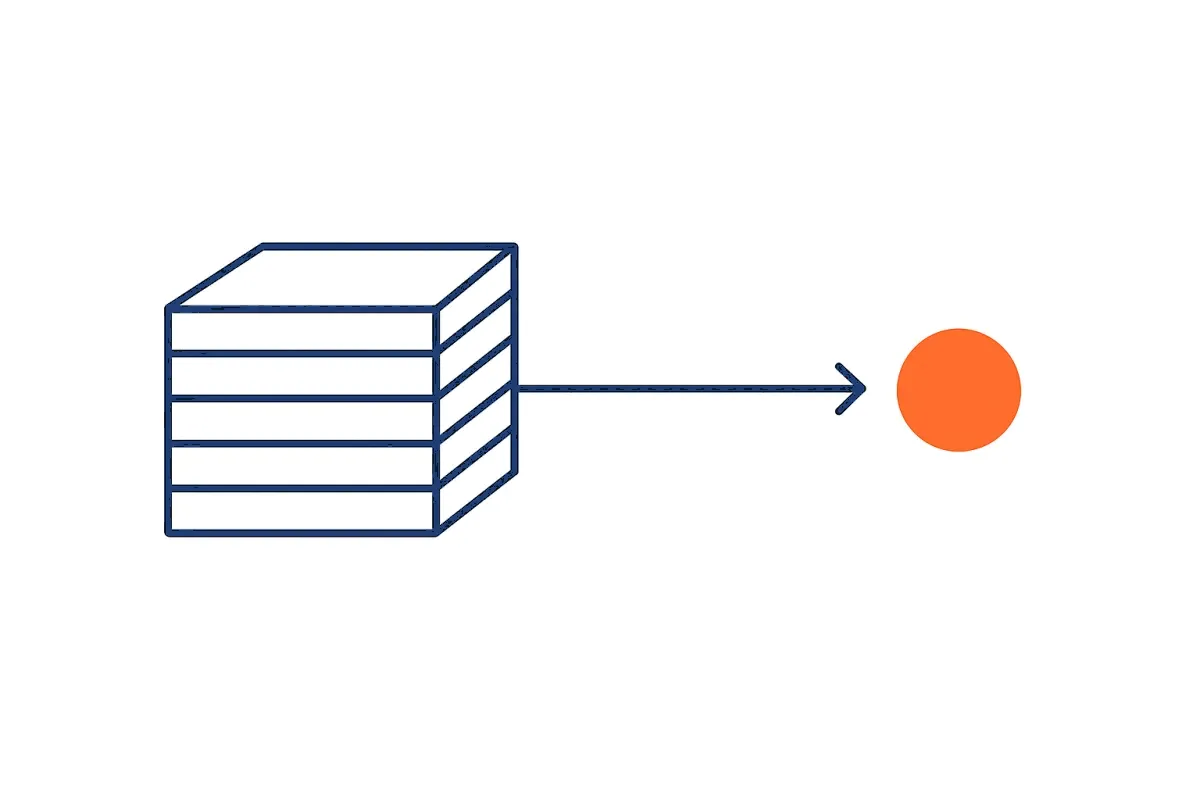
Nobody wants a website. I say this as someone who is rather fond of his own.
A business owner wants enquiries from the right kind of buyer. Or admissions. Or appointments, dealer applications, job applicants who are worth interviewing. Sometimes they simply want to stop feeling embarrassed when a large customer looks them up. The website is the means, and the studio that talks about the end is in a different conversation from the one that talks about pages.
This is where most portfolios let the work down. A portfolio page shows a screenshot on a laptop and a phone. It proves the studio can design and build, which every studio on the shortlist can do. What the buyer wants to know is how you would think about a business like theirs.
So write up the work differently. A useful case has four parts.
- The situation, in business terms. Not "the client wanted a modern look". Something closer to "an engineering exporter was receiving plenty of visitors from Germany, and almost none of them wrote in".
- What you found. The enquiry form asked for eleven fields. The product pages had photographs and no specifications. The site took nine seconds to open on a phone.
- What you decided, including what you left out. The forty pages you cut to fourteen. The animation you refused to add. The single action you made obvious on every page.
- What changed afterwards, in plain words. "Overseas enquiries now arrive with the drawing attached." "The sales team stopped sending the brochure as a PDF, because the site answers the questions."
A note for India. Most clients do not want their numbers published, and many would prefer not to be named. You need neither. A clear situation, a decision and a result in plain words will persuade more people than a percentage nobody can check.
The video studio I mentioned made the same move. It stopped quoting for videos one at a time and sold a set of films built for a stated purpose, with the scope and the end date written down. Strangers stopped asking for the per-video rate, because there was no longer a single video to price. The fee side of this is in value-based pricing for consultants, and how to build the sentences is in the B2B messaging framework.
Then turn all of it on yourself. A web studio's own website is its shop window in the most literal sense. It should say who the studio is for, carry two or three cases written this way, and ask the visitor a better question than "how many pages?"
A Blueprint Before the Build
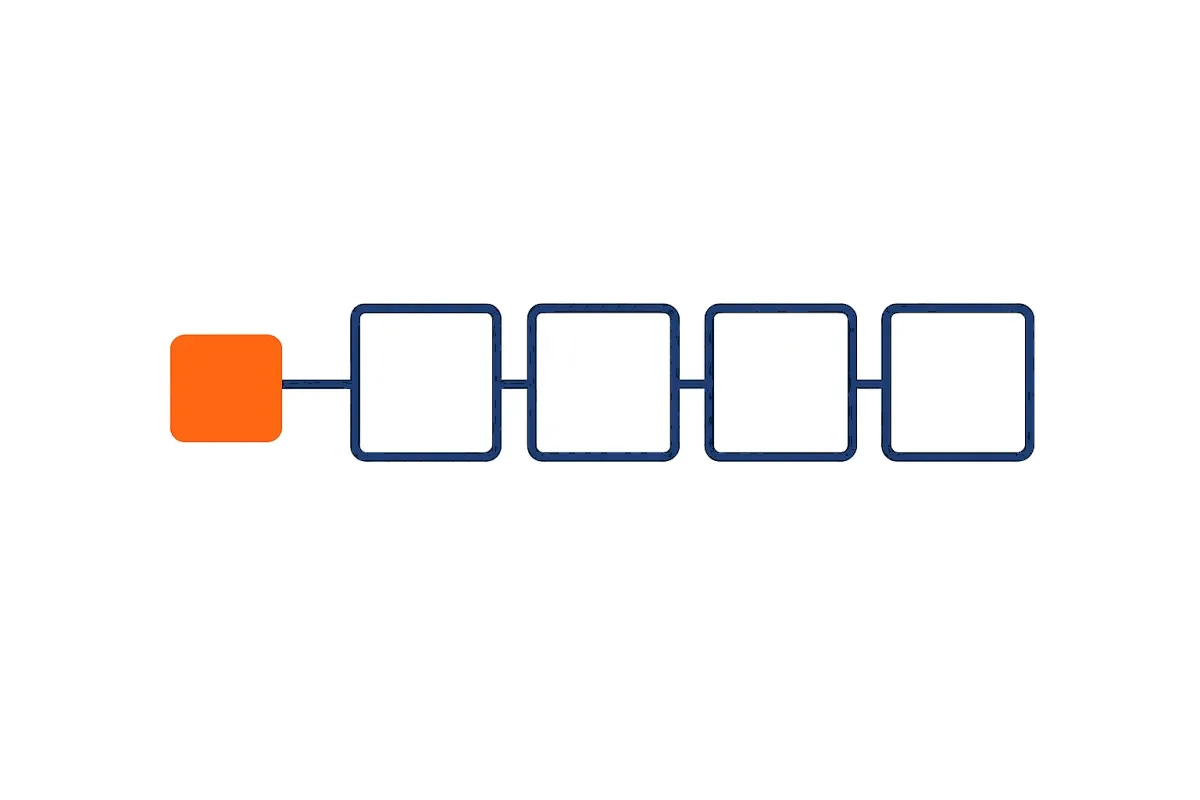
A website is a large thing to buy from a stranger. So the buyer asks for a free homepage design, "to see your thinking".
The request is fair. The free mock-up is the wrong answer to it. A design made without a brief is a guess, and the buyer will judge the guess on whether they like the colours. It also teaches them that your thinking costs nothing.
An architect solves this with drawings. You pay for the plan before anyone pours a foundation, and nobody finds that strange. A web studio can do the same with a small, paid first step of fixed scope. Call it a blueprint.
- Conversations with a few of the client's customers and with the people who handle enquiries.
- A look at what the present site is doing: where visitors arrive, where they leave, what they ask on the phone afterwards.
- A written plan. The pages worth building, what each one has to say, what the visitor should do next, and what can be left out.
Two weeks or so, a fixed fee, and a document the client can use whoever builds the site.
The blueprint does three jobs. It filters for serious buyers. It lets a stranger see your judgement on their real problem. And it turns the build from a guess into a scoped piece of work, which protects you from the project that never ends.
Sometimes it does a fourth job, and this is the one that builds a reputation. A large share of the companies that ask for a new website do not need a new website. They need three pages rewritten, a form that works and a site that opens quickly on a phone. Say so when it is true. You lose a build and gain a client who will believe every recommendation you make afterwards, and who will repeat the story to other people.
The build itself can then be packaged. An eight-person creative agency I worked with had been writing every proposal from a blank page, so each sale began from nothing and only the founder could do it. We replaced that with one fixed-scope engagement with named deliverables. The founder's pitch became the same pitch every time, and the team could run most of the delivery. That story is in breaking the feast-and-famine cycle, and the method is in how to productise your service.
After Launch: The Revenue Most Studios Leave Behind
Most web studios treat launch day as the end of the job. For the client it is the beginning. It is the first day anyone finds out whether the new site does what it was built to do.
This is why "launch, invoice, silence" is such a waste. The studio has just spent three months learning the client's business. It then walks away at the moment that knowledge becomes useful, and goes looking for a stranger to start again with.
The usual answer is an annual maintenance contract: hosting, backups, security updates. Offer it, but know what it is. It is the per-square-foot version of ongoing work, easy to compare and easy to cut.
The better offer is an improvement retainer. Each month the studio looks at what the site did, makes one or two changes with a stated reason, and reports what happened to enquiries. A new landing page for a campaign. A product page rewritten because the sales team keeps hearing the same question. It is the same craft as the build, described by its result.
Offer this only to clients who have been through a build with you. A retainer sold to someone who has seen your work is an easy yes. A retainer sold to a stranger is another quotation in another spreadsheet. A few of these, and the studio no longer starts every month from zero.
Where Web Design Agency Clients Come From in India
The hardest web design leads to convert are the ones shopping for a rate. Look for buyers at a moment when the old website has started to cost them something.
- A rebrand, with a new identity and nowhere to put it.
- A push into exports, or into a new state.
- A new marketing head who has inherited a site they dislike.
- A funding round, with investors and new hires looking the company up.
- A brand that has outgrown marketplaces and wants its own store.
- A site that has visibly broken: slow on a phone, a form that fails, a platform that is no longer supported.
Most of these can be seen from outside. That shapes where web design agency clients come from.
Past clients. A site you built four years ago is due for attention, and the person who commissioned it may have moved to another company. A short, useful note twice a year to everyone you have worked with costs almost nothing.
Partners who are in the room at the right moment. A branding agency finishing a new identity has a client who needs a website next, and I have written for them in marketing for branding agencies. A digital marketing agency knows better than anyone what it costs to send paid traffic to a weak page; see marketing for digital marketing agencies. Add SEO consultants, and the firms that install CRM and ERP software.
The founder's writing. A founder who publishes one short teardown a week, on what a particular kind of website gets wrong and why, builds exactly the right audience. Buyers trust a person before a studio. The balance between the two names is in founder brand vs company brand.
Search, for your specific focus. "Web design company in Bangalore" is crowded and brings rate shoppers. "Website design for hospitals" is small, winnable and full of intent. SEO for consultants explains the approach.
Outbound tied to something you can see. A web studio has an advantage here that few firms have, because the prospect's problem is public. A note that says "the enquiry form on your product page shows an error on a phone" gets a reply. "We build stunning websites" does not. See cold outreach for consultants.
Overseas and white-label work. Many Indian studios build for agencies abroad. It is steady, and it can pay the salaries. It is also the purest form of the per-hour box, since the agency abroad holds the client and you hold the task list. Treat it as a base, not as a position.
What works badly: freelance bidding sites, where the rate comparison is built into the screen; "top web design companies" directories; paid ads on "web design company in" your city, where every competitor is bidding beside you; and free mock-ups sent out in bulk.
A Weekly Routine That Survives Launch Week
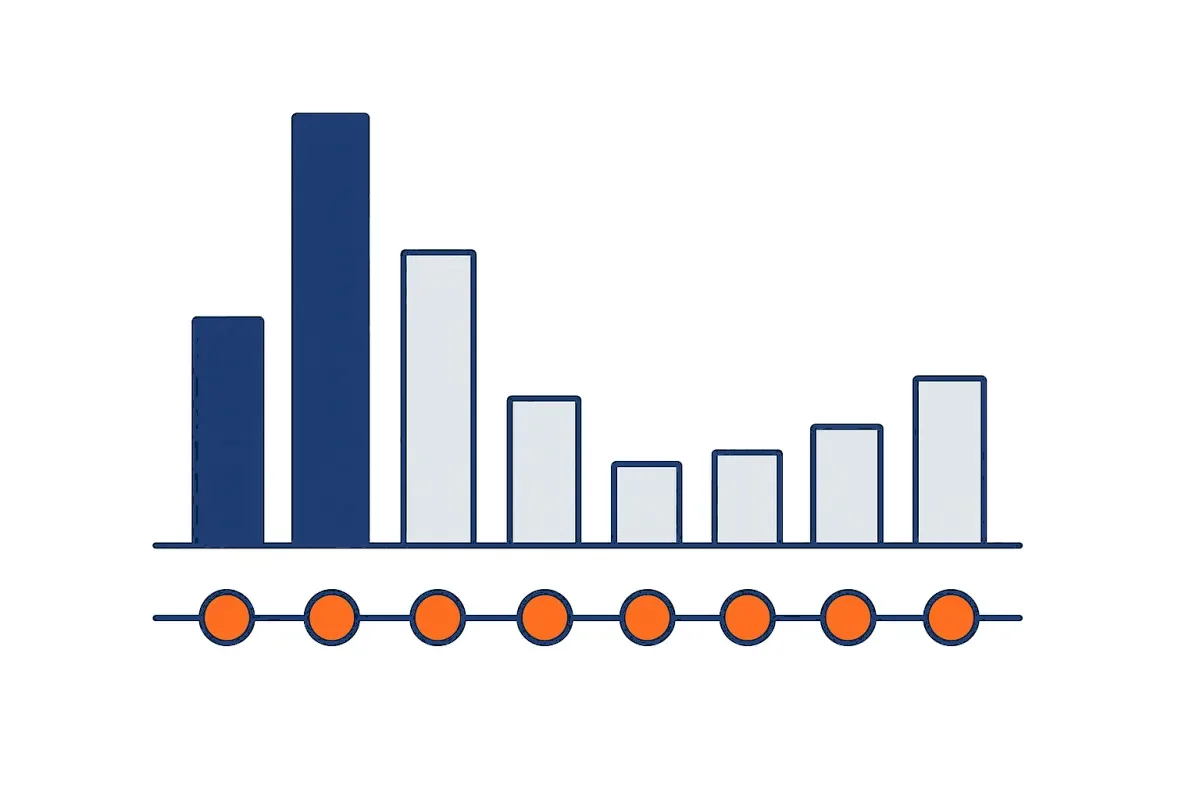
Feast and famine in a studio is not a discipline problem. It is arithmetic. Selling and delivery compete for the same pair of hands, usually the founder's, so the selling stops exactly when the studio is busiest. I go through the mechanics in stop relying on referrals.
The answer is a routine small enough to survive the week of a launch.
- One teardown or observation a week, published where your buyers already look.
- Five conversations a week with past clients, partners and people who once asked for a quote. A useful note, not a pitch.
- One written case a quarter, in the four-part form above, from work already delivered.
- Fifteen minutes every Monday on each open conversation: what happens next, and who does it.
Give the routine an owner who is not the founder. The founder still holds the conversations, but someone else keeps the list and the calendar, and asks on Monday what happened. That is three or four hours a week. It looks too small to matter, and it matters because it does not stop. The wider system is in the guide to getting clients beyond referrals, and B2B brand awareness without an ad budget shows how far this goes before you spend anything on advertising.
What Marketing Consulting for a Web Design Agency Looks Like
A fair question at this point: what would a marketing consultant do for a studio that builds other firms' marketing?
I am not going to teach a web studio how to build a website. What an outsider brings is the thing you bring to your own clients, which is a view from the street. You cannot see your own shopfront from behind the counter.
I start with a diagnosis, not a plan. The Pipeline Reality Check is a one-week look at where your work really comes from: the last ten or twenty clients, who sent them, what each one bought, which quotes were lost and what the buyer said. Founders are often surprised by the list once it sits in one place.
Sometimes the constraint is not marketing. If every build is scoped from scratch and only the founder can run it, more enquiries will make things worse, and I will say so.
When it is marketing, the work follows the CLEAR method: who the studio is for, the message that makes that obvious, a paid first step, the one or two channels worth your time, and a weekly rhythm the team runs without me. Each engagement is scoped after a conversation. If you are weighing up whether an outside advisor makes sense at all, I have written about that in marketing consultant for agencies.
Questions Web Agency Founders Ask Me
How do web design agencies get clients?
Most get them through introductions, repeat work and the founder's network. The studios that grow steadily add three things: a position narrow enough for a stranger to remember, cases that show what the website changed for the business, and a small paid first step such as a blueprint. Partners, search and outreach all work better once those three exist.
How do I get web design clients in India?
Start with the people who already know your work, including past clients whose sites are now a few years old. Then look for firms at a moment of change: a rebrand, an export push, a new marketing head. Build relationships with branding agencies, digital marketing agencies and SEO consultants, who meet those firms just before a website is needed.
Should a web design agency do free mock-ups?
Rarely. A mock-up made without a brief is a guess, and it attracts buyers who are collecting free designs. A short paid blueprint meets the same need, which is to see how you think, and it filters for people who are serious. The exception is a pitch you have chosen with care, for a client you very much want, with a proper brief and a short shortlist.
How does a web design agency compete with freelancers and AI website builders?
Not on the price of a page. A builder or a freelancer can produce pages cheaply, and that will only get cheaper. What neither does is decide what the site should say, to whom, and what the visitor should do next. A studio that sells that judgement, in one field it knows well, is not being compared with a template.
A Web Design Agency Quoted by the Page?
The buyer who asks for a per-page rate is not being difficult. They have been told they are buying area, often by the agency's own enquiry form. Move the conversation to what the plot is for: a position of your own, cases that show what the website changed, a paid blueprint before the build, and a weekly routine that carries on when the studio is full. None of it needs a skill the studio lacks. It is the architect's first question, asked before the contractor's.
A web design agency quoted by the page? Get in touch. Tell me where your last ten clients came from, and I will tell you honestly whether the fix is marketing, and what I would look at first. If it needs a closer look, the usual first step is the Pipeline Reality Check, a one-week diagnosis of where your new business really comes from.

About the Author
Anoop Kurup
I'm a marketing consultant for B2B service firms in India. I fix the positioning, visibility, and lead generation behind weak sales. Before this: a research lab at GE, then patents and competitive strategy, then an intellectual-property firm I built and exited. I work with founders one engagement at a time from Bangalore.
More about meCLEAR · Lead
A web design agency quoted by the page?
Tell me what you're seeing in your pipeline. I'll tell you honestly if I can help, and where I'd start.
Get in touch