
Blog
Sales, offers, and pipeline.
Practical writing for B2B services businesses: packaging an offer the market responds to, proving it against real prospects, and building a weekly rhythm that keeps producing conversations.
Strategy · 18 posts
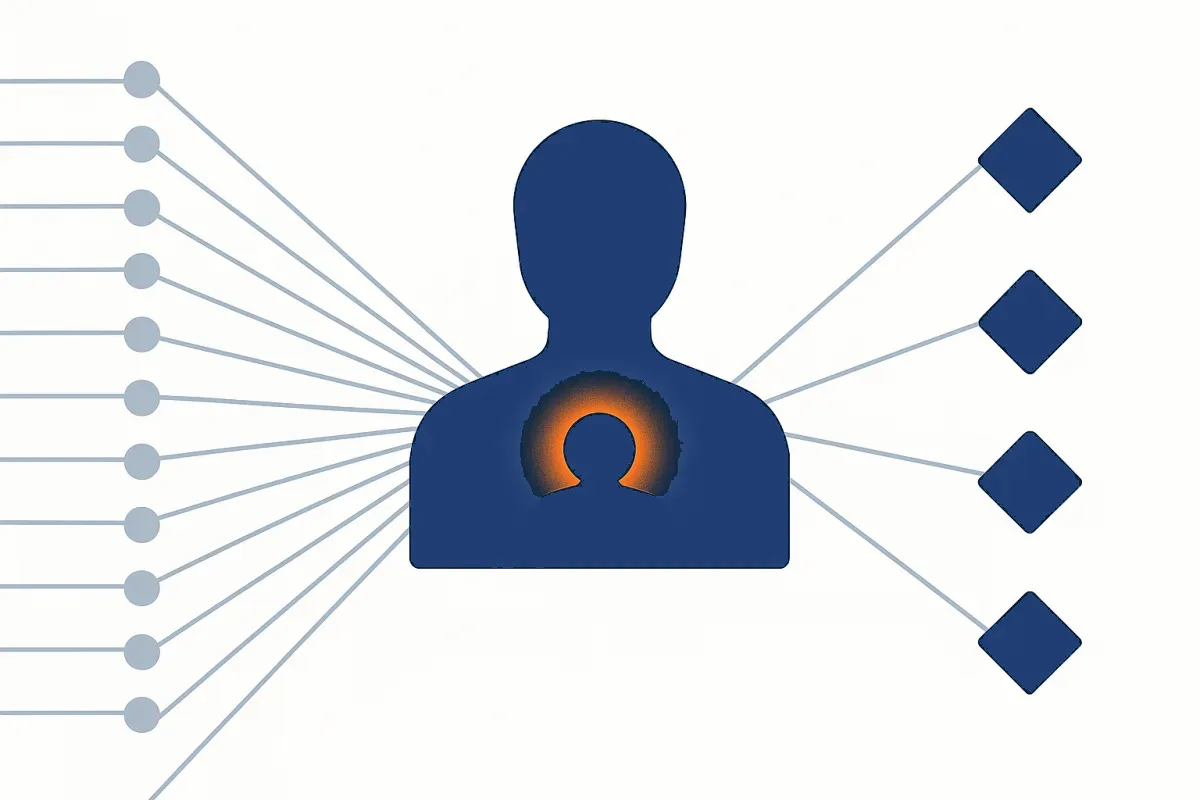
The Founder-Led Sales Trap (and How to Escape)
When you are the only one who can close, growth stops the moment you get busy. Here is how to get out of founder-led sales without losing the magic.
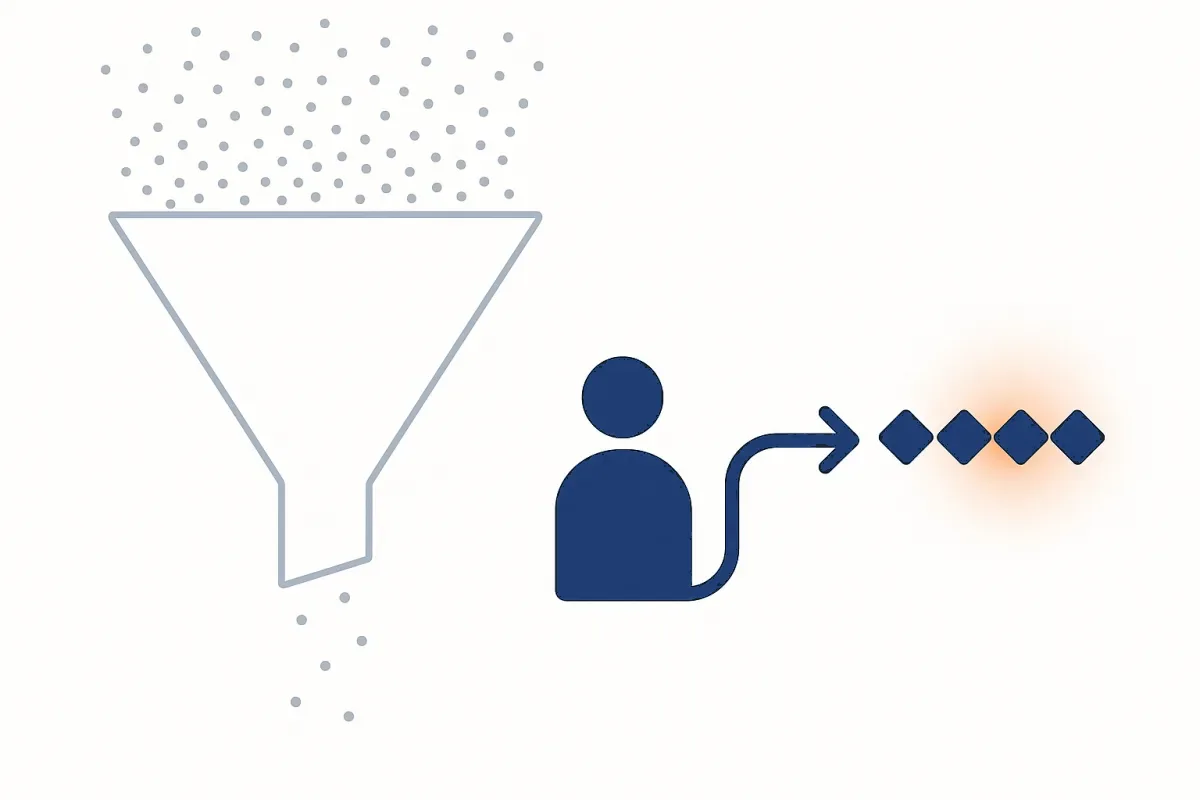
Lead Generation for Consultants & Service Firms
Most lead-generation advice is built for SaaS, not consultants. Here is how B2B service firms generate qualified leads that actually convert.
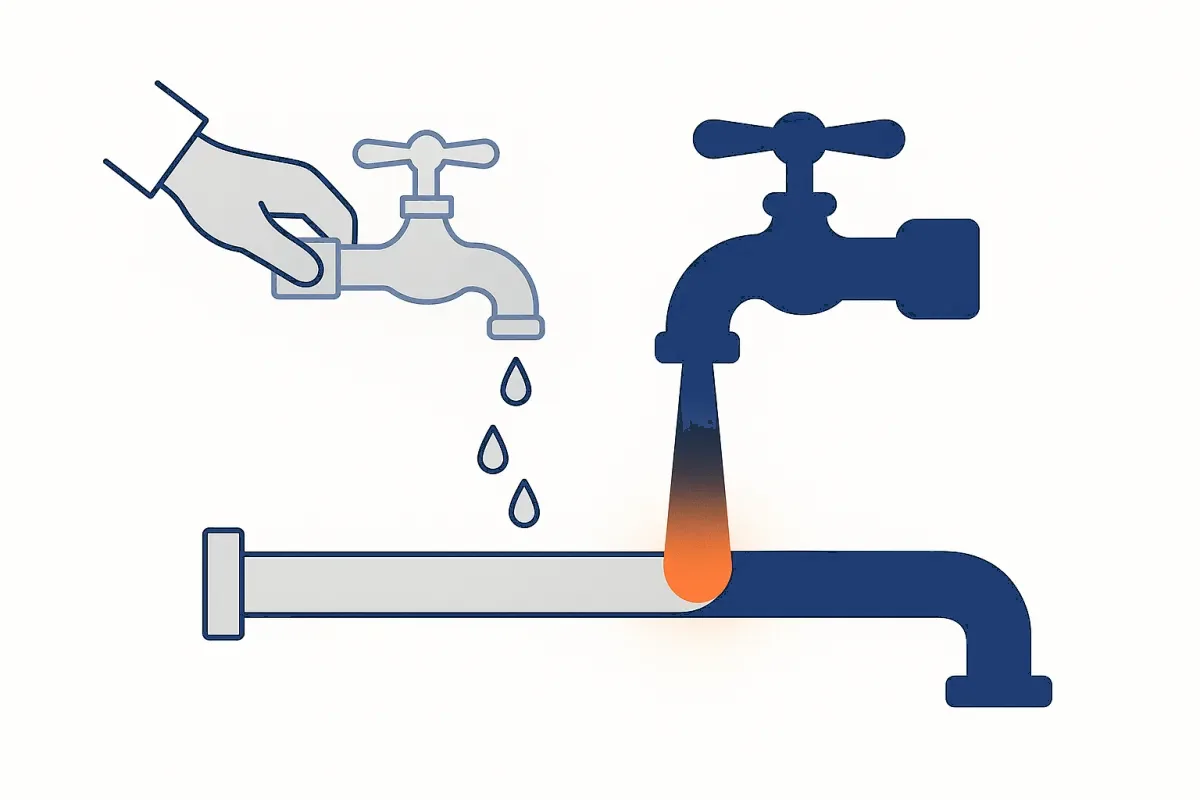
How to Stop Relying on Referrals for Clients
Referrals feel free but leave your pipeline at the mercy of other people. Here is how B2B service firms build a system that produces clients on purpose.

Why Creative Agency Founders Stay Stuck Between Art and Business
Many design and UI/UX founders are stuck because they run an art practice and a business at once. Here's the conflict, and the choice that lets you scale.

Why Disqualifying Prospects Faster Generates More Revenue
For B2B service firms, leads are a quality problem, not a volume one. Here's why disqualifying prospects faster grows revenue, and the system to do it.

The Risks of Referral Dependence for Service Businesses
Referral dependence feels safe but quietly weakens pricing, positioning and growth. Here are the long-term risks, and what to build instead.
Why Service Businesses Lose Money on Smaller Clients
Service firms break when they move from large clients to small ones. The real reason isn't pricing; it's how you're being bought.
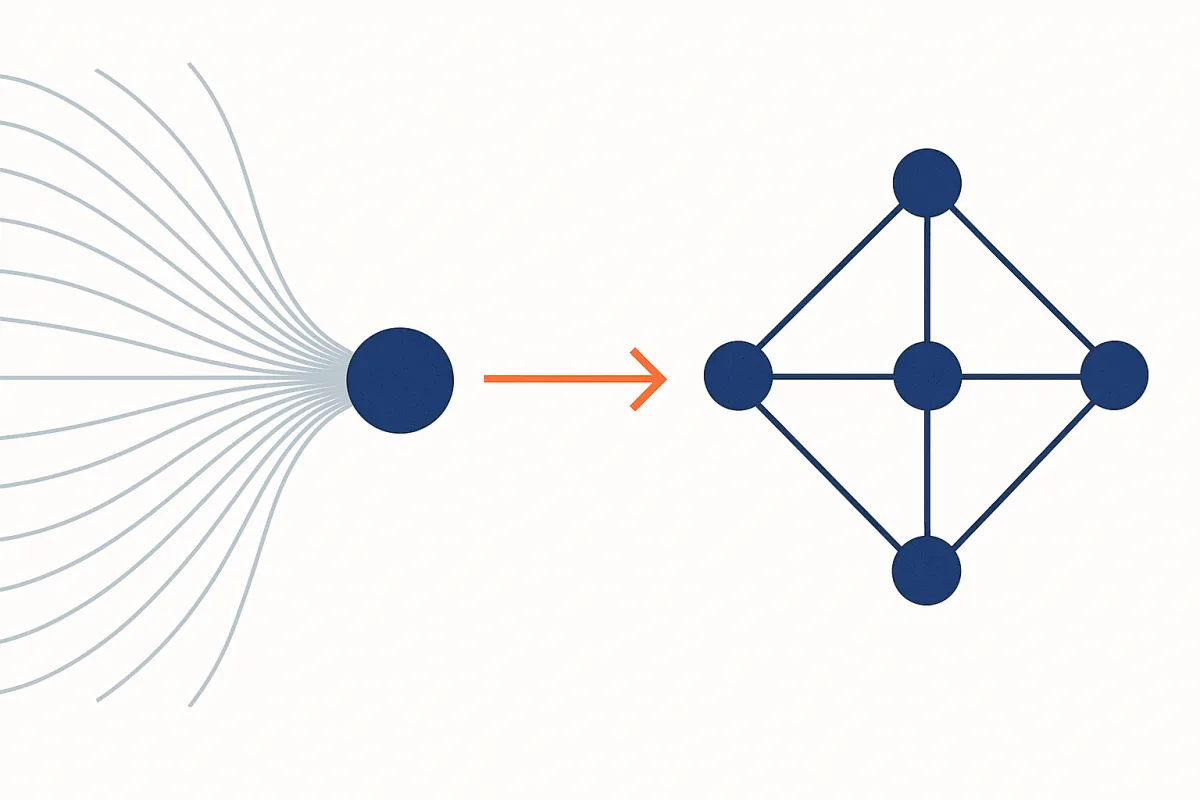
Why Founder-Led Agencies Stop Scaling: A Structural Problem, Not a Market One
Founder-led agencies plateau between year 10 and 15 not because of market conditions, but because the commercial architecture never grew up. Here's the fix.

How Experts Should Pitch at Networking Events: Lead With the Problem, Not the Service
At a networking event, nobody buys a service they've just heard of. Lead with the problem instead. Here's what to say when someone asks what you do.

Why B2B Service Businesses Struggle With AI Adoption: It's a Business Model Problem
Most B2B service founders aren't resisting AI; they're protecting a system that's worked for years. Here's what actually needs to change.
The Praise Trap: Why Expert-Founders Get Admired But Not Paid
Many expert-founders have full calendars and empty pipelines. Here's why praise doesn't translate to revenue, and how to fix the boundary problem.
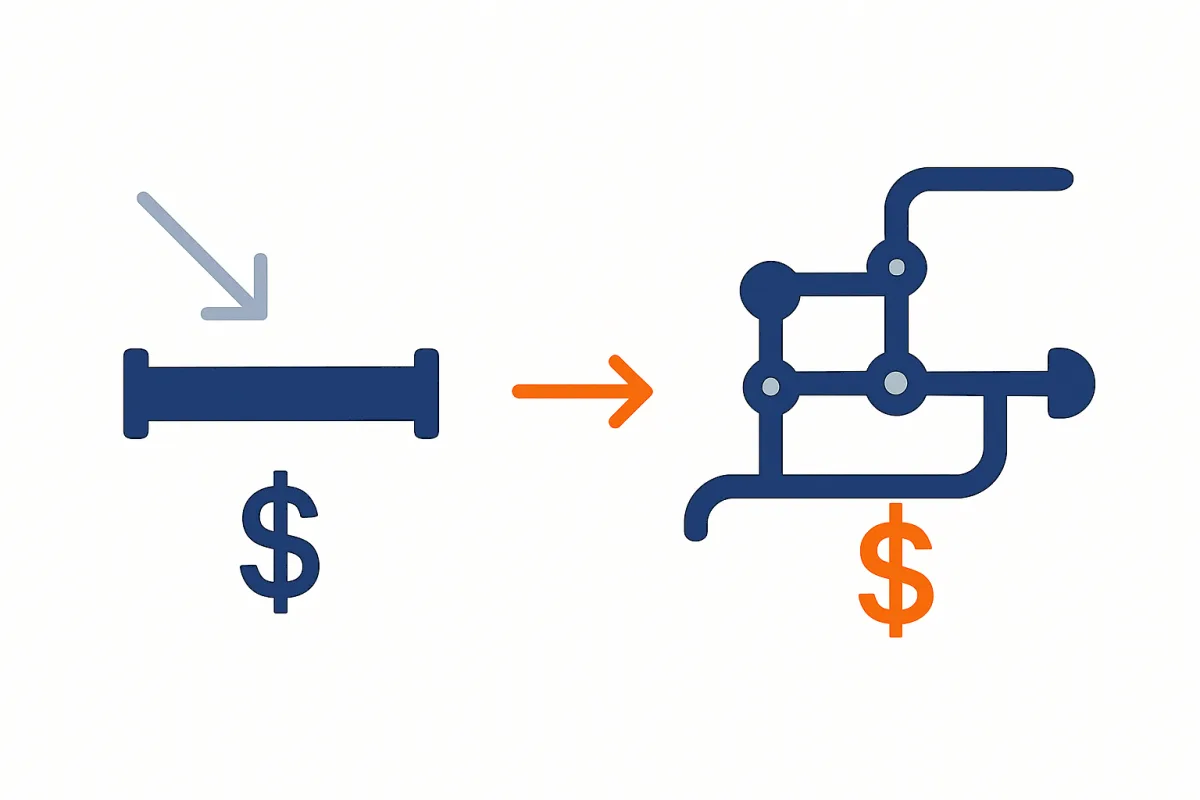
How to Handle Price Objections as a Consultant: It Starts With Your Pipeline
"You're too expensive" is rarely about price. It's what a thin pipeline sounds like. Here's why, and what to fix before you discount.
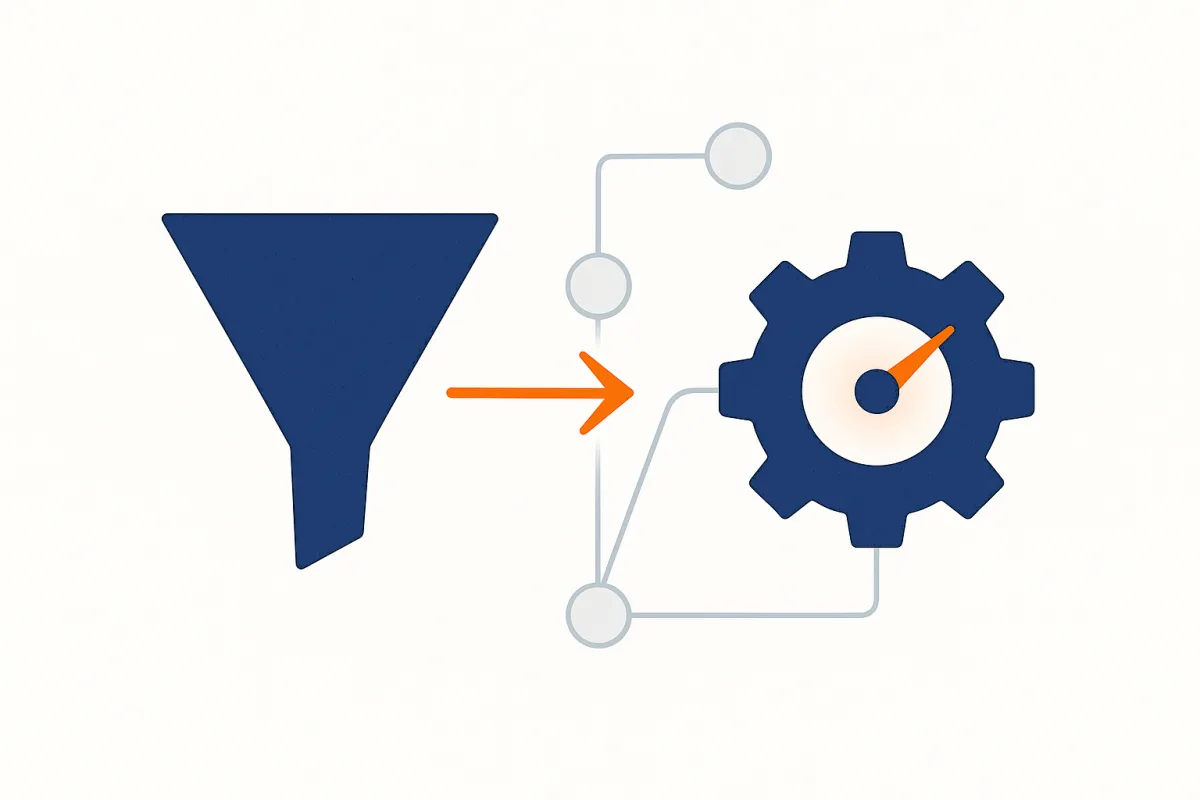
From AIDA to AI: Your Old Frameworks Are the Brief
AIDA and PAS are not dated theory. They are the structure an AI needs to stop producing mush. A framework is a brief; without one, a model writes about nothing.
A LinkedIn Content Rhythm That Doesn't Burn You Out
Most founders quit LinkedIn by week three because nothing comes of the posts. What content can and cannot do, and the weekly routine that keeps it cheap.
Interest Is Not Intent: The Handshake Happens Inside Your Head
For a founder-led firm, the gap between interest and intent is not a handover between teams. It is a judgement you make alone, and usually badly.

Why Prospects Say 'Not Now': Your Firm Only Sells One Big Thing
A single large offer makes every prospect decide everything at once, so most defer. A small, paid first step lets a stranger buy before they trust you.

Positioning Is a Problem, Not a Profile
Positioning by industry, client size or service list describes you, not the client. The position that gets you called by name is a specific, painful problem.

Pricing Signals: What Your Rates Really Tell Prospects
Your rate is a message the prospect reads before you say a word. Here's what a low number actually tells them, and why raising it alone won't fix anything.
Want help applying these ideas?
Find out how predictable your pipeline really is. Ten questions, three minutes, an honest score and the one thing to fix first.
Take the Sales Scorecard